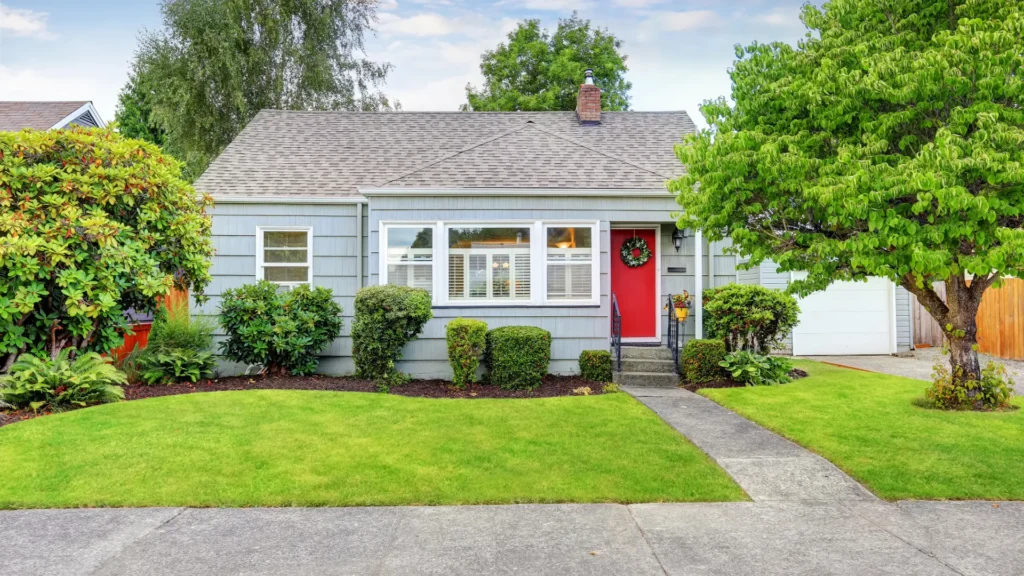

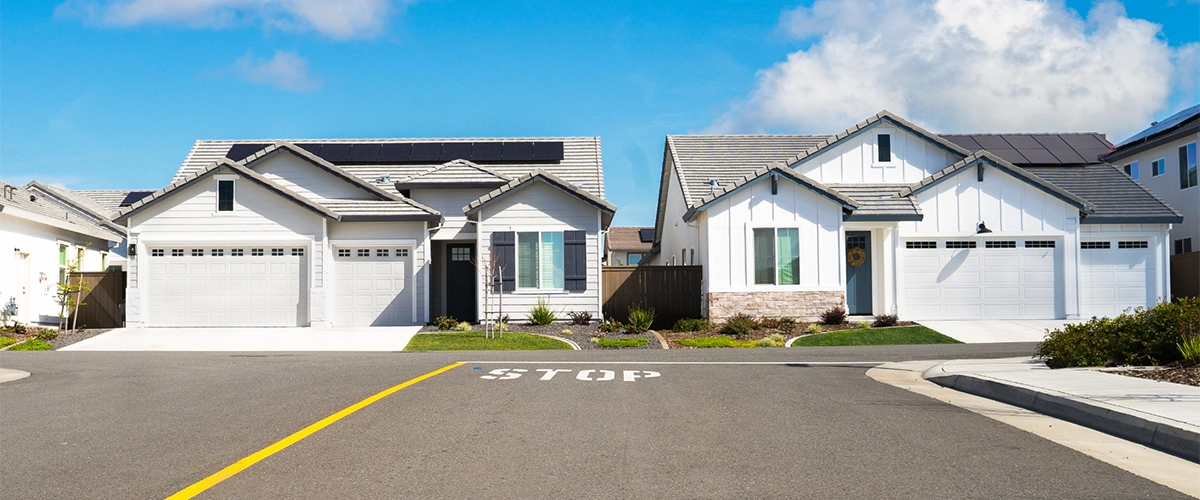
Buying your first home is exciting, but it can also feel overwhelming. You are thinking about the down payment, monthly mortgage payment, closing costs, moving expenses, and whether the home is the right fit for your life.
But there is one more question every first-time buyer should ask before closing:
What will this home need after I own it?
That is where a home inspection becomes one of the most important steps in the buying process. A good inspection does not just tell you what is wrong with a house. It helps you understand the condition of the home, prepare for future repairs, negotiate with more confidence, and avoid costly surprises.
Here is what first-time home buyers should know before closing.
1. Buy Below Your Maximum, Not at Your Maximum
Your lender may approve you for a certain amount, but that does not mean you should spend that full amount on the home.
A mortgage payment is only part of homeownership. After closing, you may also need to pay for repairs, maintenance, utilities, insurance, property taxes, landscaping, pest control, and future upgrades.
This matters because your inspection may uncover items that need attention soon. Common examples include an aging water heater, worn roof materials, older HVAC equipment, plumbing leaks, drainage issues, electrical concerns, or termite damage.
If you buy at the very top of your budget, even a normal repair can feel stressful. A better approach is to leave room in your finances for the realities of owning a home.
The goal is not just to qualify for the house. The goal is to comfortably own it.
2. Keep a Repair Fund After Closing
Many first-time buyers save for the down payment and closing costs, then move in with very little money left for repairs. That can be risky.
Even when a home looks move-in ready, it may still need work. Appliances can fail. Plumbing issues can appear. A roof can need repairs. HVAC systems may need service. Sewer lines can have root intrusion. Exterior drainage can cause moisture problems. These are normal parts of homeownership, but they can become expensive quickly.
A home inspection helps you understand visible defects and likely maintenance needs, but no inspection can predict every future problem. Inspectors cannot see through walls, under finished flooring, or inside every hidden space.
That is why first-time buyers should keep a repair fund after closing. Your inspection report can help you decide how much money you may need soon and which repairs should be handled first.
3. Schedule the Home Inspection Early
Once your offer is accepted, the inspection period can move quickly. Do not wait until the last minute to schedule your home inspection.
Scheduling early gives you more time to:
- Review the full inspection report
- Ask questions
- Get repair estimates
- Request additional inspections
- Talk with your agent about negotiations
- Decide whether you are comfortable moving forward
For first-time buyers, time matters. If the inspection reveals a roof concern, sewer issue, electrical defect, foundation movement, moisture problem, or pest damage, you may need a specialist to evaluate it before your contingency period ends.
The earlier you inspect, the more options you have.
4. Attend the Inspection Walkthrough
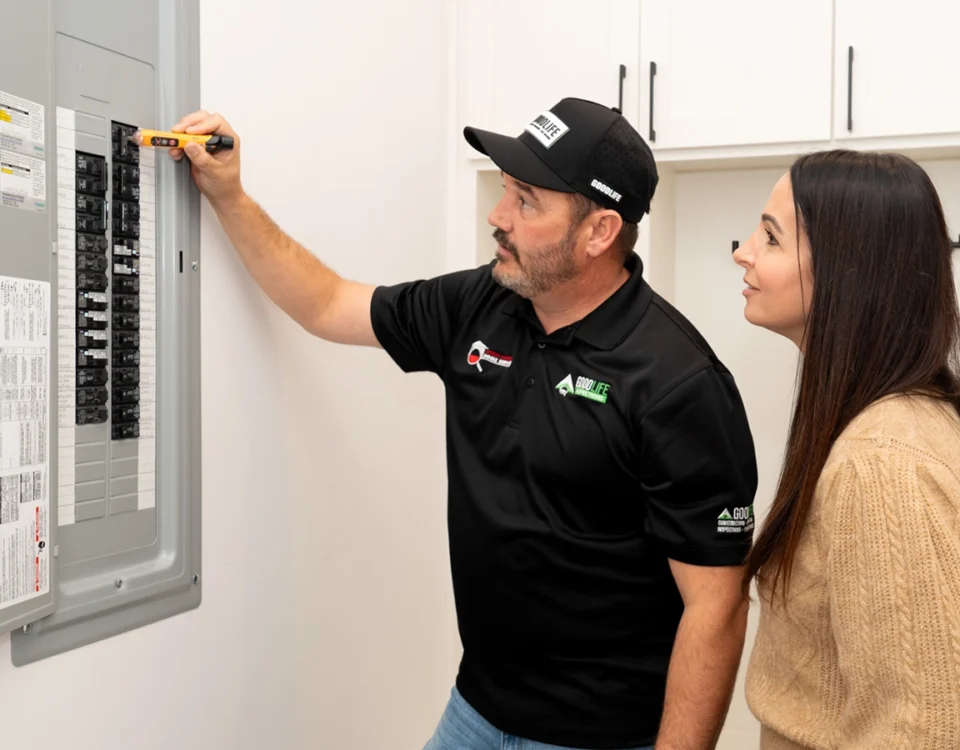
If possible, attend the inspection walkthrough. This is especially helpful for first-time buyers because it gives you a better understanding of the home beyond what you can learn from photos or a report.
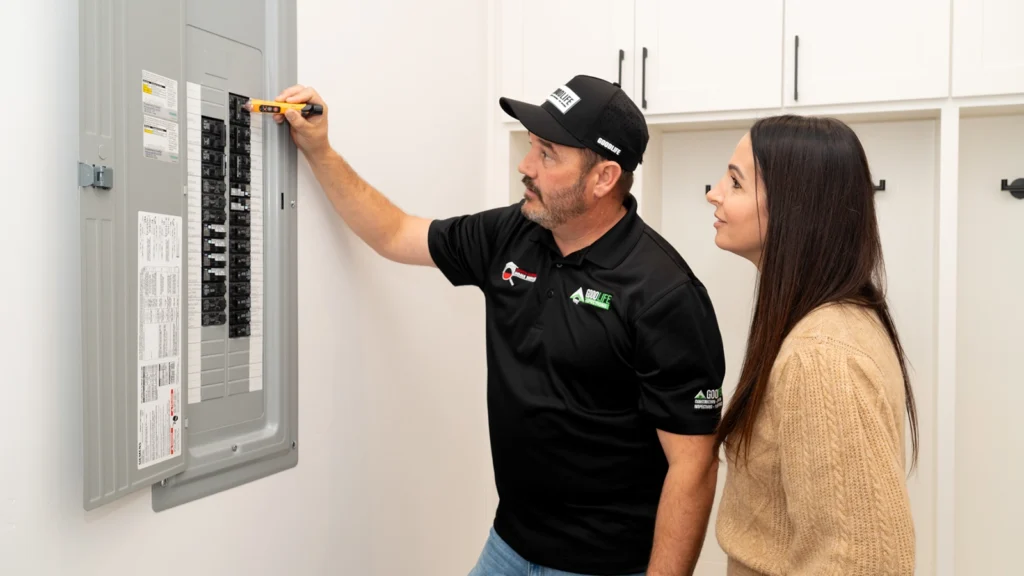
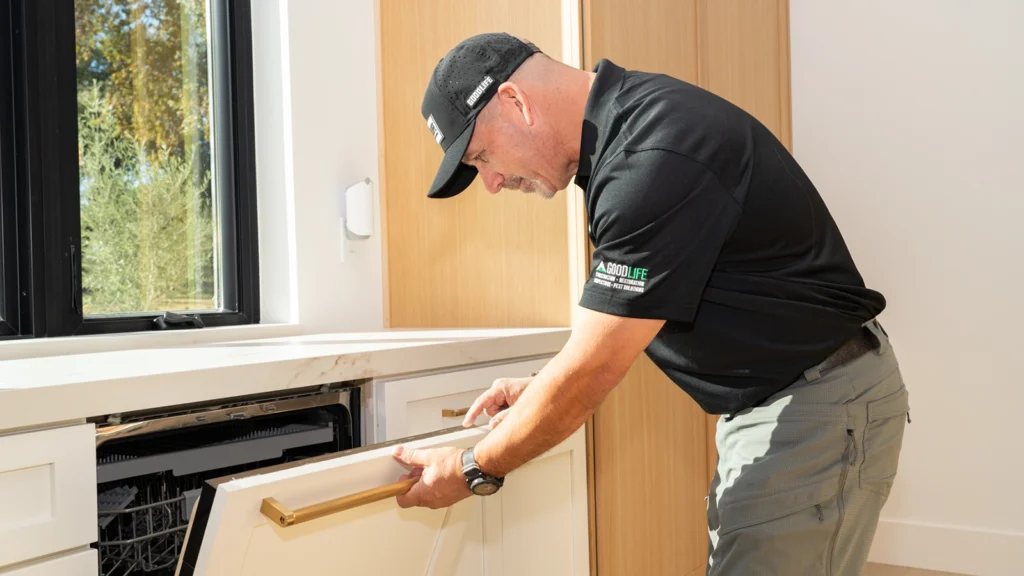
During the walkthrough, your inspector can show you important parts of the home, explain visible issues, and help you understand which items are common maintenance concerns and which may need further evaluation.
Good questions to ask during the inspection include:
- Where is the main water shutoff?
- Where is the electrical panel?
- How old are the major systems?
- Are there any safety concerns?
- Which items should be repaired first?
- Which findings may need a specialist?
- Are there signs of moisture, drainage, or pest activity?
- What should I monitor after moving in?
A good home inspection should make the house feel less confusing. You should leave with a clearer understanding of how the home works and what it may need.
5. Know Which Add-On Inspections May Matter
These are some of the most important inspection areas to check before buying a home because they are often connected to the most expensive repairs. Sewer lines, termite damage, roof problems, pool or spa issues, and major system defects can cost thousands of dollars after closing, so buyers should understand these risks before making a final decision.
Sewer Inspection
A sewer inspection may be important for older homes, homes with large trees near the sewer line, or properties with slow drains or unknown sewer history. Sewer repairs can be expensive, so this inspection can be especially valuable before closing.
Termite Inspection
A termite or wood-destroying organism inspection is important in many California homes. Termite activity, dry rot, and wood damage can affect structural components, exterior trim, decks, crawl spaces, and other areas.
Roof Inspection
If the roof is older, visibly worn, leaking, patched, or near the end of its expected life, a roof inspection can provide more detail about repair or replacement needs.
Pool and Spa Inspection
If the home has a pool or spa, an additional inspection can help evaluate equipment, plumbing, safety features, surfaces, and visible operating conditions.
Specialist Evaluations
Sometimes a general home inspection identifies an issue that should be reviewed by a licensed specialist. This may include electrical, plumbing, HVAC, foundation, chimney, roofing, drainage, or structural concerns.
6. Learn How to Read the Inspection Report
A long inspection report does not always mean the house is bad. Most homes have issues, even well-maintained homes.
The key is knowing how to read the report.
Think of inspection findings in three groups:
Minor Maintenance Items
These are common issues that are usually manageable after closing. Examples may include loose fixtures, minor cracks, missing caulk, small plumbing drips, damaged screens, or basic maintenance items.
Important Repair or Negotiation Items
These are concerns that may affect cost, safety, function, or future maintenance. Examples may include roof wear, HVAC concerns, water heater issues, plumbing leaks, electrical defects, damaged siding, poor drainage, or pest-related damage.
Major Red Flags
These are issues that may affect safety, habitability, insurance, financing, or the long-term cost of ownership. Examples may include structural movement, active roof leaks, major electrical hazards, significant moisture intrusion, extensive termite damage, foundation concerns, or a damaged sewer line.
Your inspector’s job is not to decide whether you should buy the house. Their job is to give you clear information so you can make an informed decision.
7. Use the Report to Negotiate Wisely
The home inspection report can become a helpful negotiation tool.
Depending on the findings, your agent may help you request repairs, ask for a seller credit, negotiate the price, request further evaluation, or adjust your expectations before closing.
Not every item in the report should become a negotiation point. Small maintenance items are common. Larger safety concerns, system defects, active leaks, pest damage, or expensive repairs may deserve more attention.
A smart inspection negotiation focuses on the issues that matter most:
- Safety concerns
- Active leaks or moisture problems
- Roof defects
- Electrical hazards
- Plumbing issues
- HVAC problems
- Sewer line concerns
- Termite or wood damage
- Foundation or structural concerns
The inspection report helps you move from emotion to information. Instead of guessing, you can make decisions based on the actual condition of the home.
8. Do Not Let Cosmetic Updates Distract You
Fresh paint, new flooring, modern lighting, and staged furniture can make a home feel perfect. But cosmetic updates do not always mean the major systems are in good condition.
First-time buyers should look beyond appearance and pay close attention to the parts of the home that are more expensive to repair or replace.
Important areas include:
- Roof
- Foundation
- Attic
- Crawl space
- Electrical panel
- Plumbing system
- HVAC system
- Water heater
- Drainage and grading
- Windows and exterior siding
- Signs of leaks or moisture
- Evidence of pest activity
A beautiful kitchen is nice. A safe electrical system, dry crawl space, functional roof, and reliable plumbing system are more important.
Your inspection helps you see the full picture.
9. Do a Final Walkthrough Before Closing
The final walkthrough is your last chance to confirm the home is in the expected condition before closing.
This step is not the same as a home inspection, but it is still important. During the final walkthrough, check that agreed-upon repairs were completed, included appliances are still present, utilities are working, the home has not been damaged, and the seller removed personal belongings or debris as agreed.
If repairs were negotiated after the inspection, bring your repair agreement or notes with you. Confirm that the work appears complete and ask for receipts or documentation when appropriate.
A final walkthrough helps you avoid walking into unexpected problems after you receive the keys.
10. Turn Your Inspection Report Into a First-Year Plan
After closing, your inspection report can become a practical maintenance guide.
Instead of trying to fix everything at once, use the report to create a priority list.
First 30 Days
Focus on safety and urgent repairs. This may include electrical hazards, active leaks, plumbing issues, pest concerns, missing smoke or carbon monoxide detectors, roof leaks, or anything that could get worse quickly.
First 6 Months
Handle maintenance and system care. This may include HVAC servicing, water heater maintenance, drainage improvements, caulking, minor plumbing repairs, exterior sealing, gutter cleaning, or pest prevention.
First Year
Plan larger improvements and upgrades. This may include roof repairs, appliance replacement, insulation improvements, landscaping changes, flooring, paint, or other projects that improve comfort and long-term value.
A good inspection report should not disappear into a folder after closing. It should help you become a more confident homeowner.
Why the Right Inspector Matters for First-Time Buyers
First-time buyers need more than a checklist. They need an inspector who explains the home clearly and helps them understand what the findings actually mean.
The right inspector will not just point out defects. They will help you understand the difference between normal maintenance, safety concerns, costly repairs, and items that may require a specialist.
At Good Life Inspections, we help buyers understand the home before they close. Our inspection process is designed to provide clear communication, detailed reporting, and practical information you can use during the buying process.
Whether you are buying in Sacramento, Roseville, Elk Grove, Folsom, Citrus Heights, or a surrounding area, a professional home inspection can help you move forward with more confidence.
Frequently Asked Questions
Should first-time home buyers always get a home inspection?
Yes. A home inspection is one of the most important steps for a first-time buyer. It helps you understand the visible condition of the home before closing and may uncover safety issues, repair needs, or major defects.
What does a home inspection include?
A standard home inspection typically reviews visible and accessible components of the home, including the roof, exterior, foundation, attic, electrical system, plumbing system, HVAC system, water heater, interior, doors, windows, and other major areas.
Should I attend the home inspection?
Yes, if possible. Attending the inspection gives you a chance to see important findings in person, ask questions, and learn how the home works.
Can I negotiate after the home inspection?
In many cases, yes. Buyers may use the inspection report to request repairs, seller credits, price adjustments, or further evaluation. Your real estate agent can help you decide which items are worth negotiating.
What inspections should I consider besides a general home inspection?
Depending on the property, you may want a sewer inspection, termite inspection, roof inspection, pool and spa inspection, or specialist evaluation for electrical, plumbing, HVAC, foundation, or structural concerns.
Can a home inspection find every problem?
No. A home inspection is based on visible and accessible areas at the time of the inspection. It cannot see through walls, under finished flooring, or inside every hidden space. However, it can still provide valuable information about the home’s condition.
Final Thoughts
Your first home does not have to be perfect. Most homes have defects, repairs, and future maintenance needs.
What matters is knowing what you are buying before you close.
A professional home inspection helps you understand the condition of the home, prepare for repair costs, negotiate wisely, and create a plan for your first year of ownership.
Before you commit to a home, make sure you have the information you need to make a confident decision.
Buying a home in the Sacramento area? Schedule your home inspection with Good Life Inspections and get the clarity you need before closing.