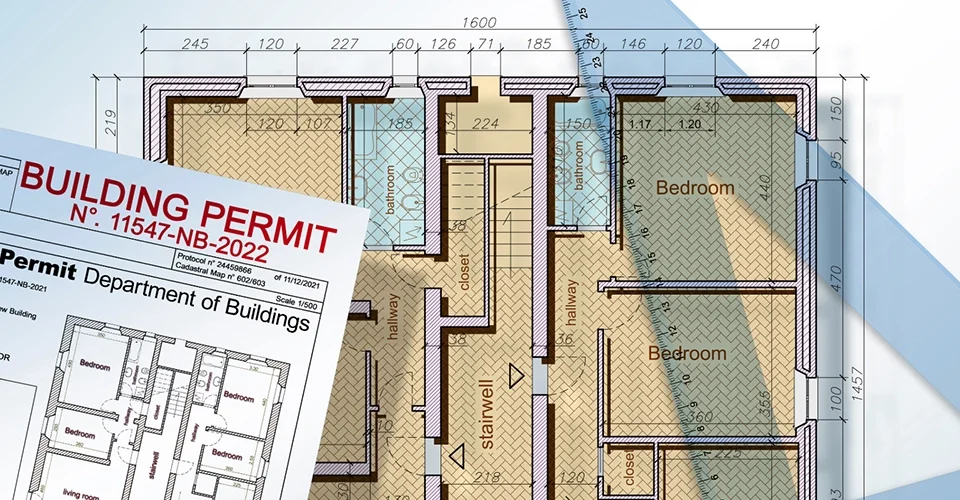

A reserve study is a professional evaluation that helps HOAs, condo associations, and property managers plan financially for the future repair or replacement of shared building components — roofs, plumbing, siding, balconies, and similar common-area elements. It combines a physical inspection of those components with a financial forecast of what repairing or replacing them will cost and when.
What a Reserve Study Includes
A reserve study has two parts:
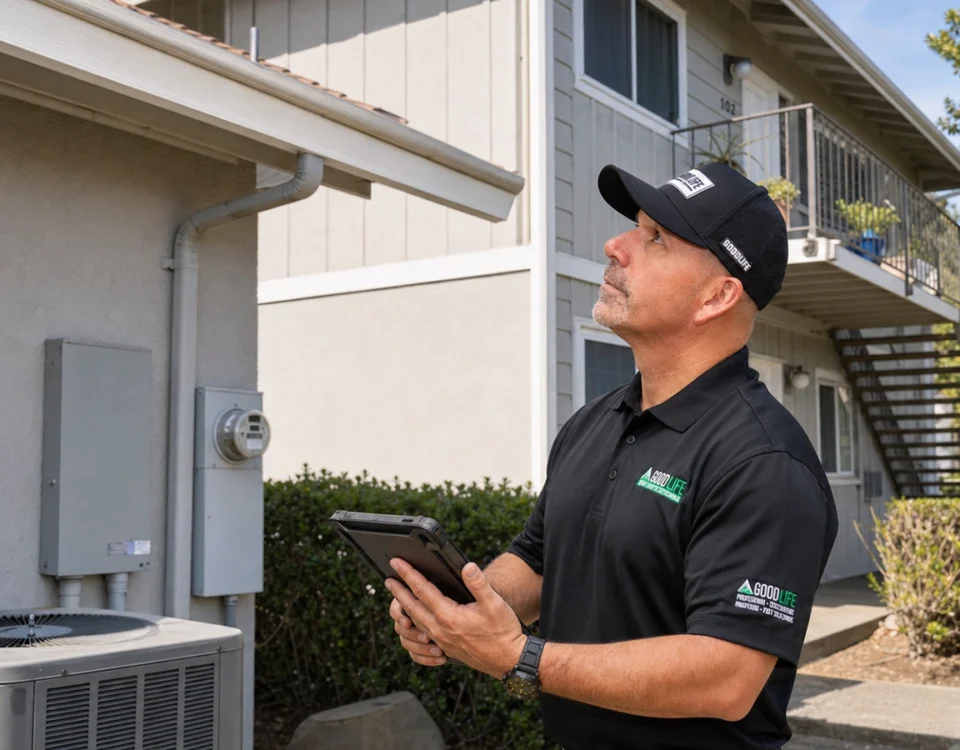
- Physical analysis: A visual inspection of the association’s major common-area components to assess their current condition and estimate remaining useful life.
- Financial analysis: A projection of what repairing or replacing those components will cost, when the expense is likely to hit, and how much the association should be setting aside now to cover it without a surprise special assessment.
California’s Reserve Study Requirement
Under California Civil Code §5550 (part of the Davis-Stirling Common Interest Development Act), California HOAs are generally required to conduct a visual inspection of the reserve components at least once every three years, and to review the reserve funding plan annually. Verify the current statutory text before relying on this for a specific HOA’s compliance timeline — read the current chaptered version at leginfo.legislature.ca.gov, since requirements can be amended.
Who Performs a Reserve Study?
Reserve studies are typically performed by a certified reserve specialist, a licensed engineer, or a qualified inspection firm — the financial-projection component in particular calls for reserve-planning expertise beyond a general home inspection.
Reserve Study vs. SB 326 Inspection: Two Different Requirements
HOA boards sometimes confuse a reserve study with an SB 326 balcony/elevated-element inspection — they serve different purposes and are not interchangeable:
| Reserve Study | SB 326 Inspection | |
|---|---|---|
| Purpose | Financial planning for future common-area repair/replacement | Safety inspection of exterior elevated elements (balconies, decks, walkways) for structural integrity |
| Who performs it | Certified reserve specialist, engineer, or qualified inspection firm | Licensed structural engineer or architect (per statute) |
| Frequency (general) | Physical inspection roughly every 3 years; funding plan reviewed annually | Every 9 years for condominium associations, per statute |
Good Life Inspections does not perform SB 326 balcony/elevated-element compliance inspections — that inspection is handled by a licensed structural engineer or architect. If your association needs an SB 326 inspection specifically, confirm current requirements and a qualified provider directly; this article is limited to explaining the reserve-study requirement.
Frequently Asked Questions
How much does a reserve study cost?
Cost varies by association size and scope, and figures vary across the industry — smaller associations often see quotes in the low thousands of dollars, with larger communities costing more. Get a current quote directly from a qualified reserve-study provider rather than relying on a generalized figure, since this varies significantly by region and community size.
How is a reserve study different from a home inspection?
A home inspection evaluates a single property’s condition at a point in time, typically for a buyer or seller. A reserve study evaluates an association’s shared components across the whole property and forecasts long-term funding needs — a different scope and a different purpose.
What happens if an HOA doesn’t keep up its reserve study?
Consequences and requirements are governed by the Davis-Stirling Act and can include disclosure obligations to owners and buyers. Consult the association’s legal counsel or a Davis-Stirling-experienced attorney for guidance specific to your association — this article is educational, not legal advice.
Need an Inspection for Your Multifamily Property?
While Good Life Inspections doesn’t produce financial reserve studies, we do provide commercial and multifamily property inspections that can support the physical-condition side of your association’s planning. Schedule an inspection or contact us with questions.