

A general home inspection reviews a home’s main systems and visible condition. Focused checks look more closely at one part, such as the roof or sewer line. Other tests answer questions a visual inspection cannot, such as whether a material contains lead. The right mix depends on the home, its features, and what is still unknown.
Good Life Inspections offers broad home inspections and several focused services in the Sacramento area. Some work needs a separate specialist. Use the guide below to match the question to the right scope. You do not need every test on a list just because you are buying a house.
What types of home inspections are there?
Think of the work in three groups:
- A general inspection looks across the home’s accessible systems.
- A focused inspection looks at one system or issue in more depth.
- A review for a specific purpose fits a sale, building type, or warranty deadline.
The groups can overlap. A seller may order a broad inspection before listing. A buyer may order one for their own review. Both may add a sewer camera check if that line is outside the main visit’s scope.
Our guide to what a home inspection includes in California explains the broad inspection. This guide helps you choose checks that may go beyond it.
Start with the general home inspection
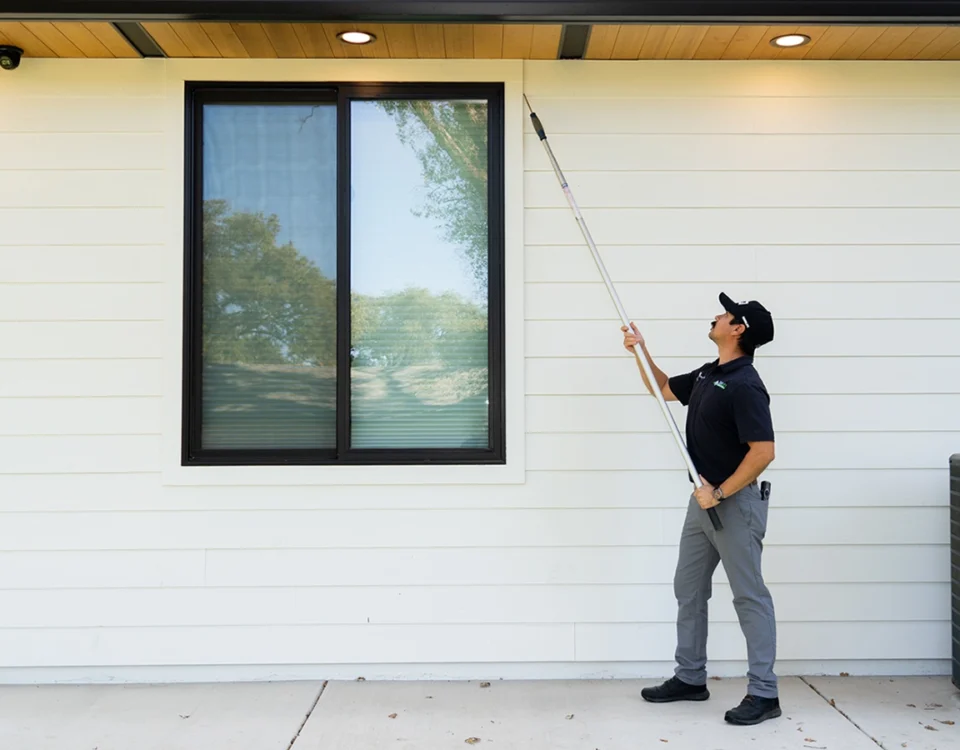
Good Life Inspections’s home inspection service covers major accessible parts. These include the roof, structure, plumbing, electrical systems, heating and cooling, and interior and exterior features.
Read the service agreement before booking. It tells you what is included, what is excluded, and what access is needed. Checking a system does not mean every hidden part can be seen.
Ask how the report will record areas that were blocked or systems that could not be tested. A blank in the review is not the same as a part with no fault found.
Focused inspections available through Good Life Inspections
Termite and wood-destroying organism inspection
A termite/WDO inspection focuses on wood-destroying pests and organisms. WDO means “wood-destroying organism.” Good Life Inspections lists termites, beetles, and fungi within this service.
Do not assume the general home inspection includes the same report. Ask who will do the WDO work, what training and license apply, and which areas can be checked.
This scope differs from a general pest inspection for ants or rodents.
Roof inspection
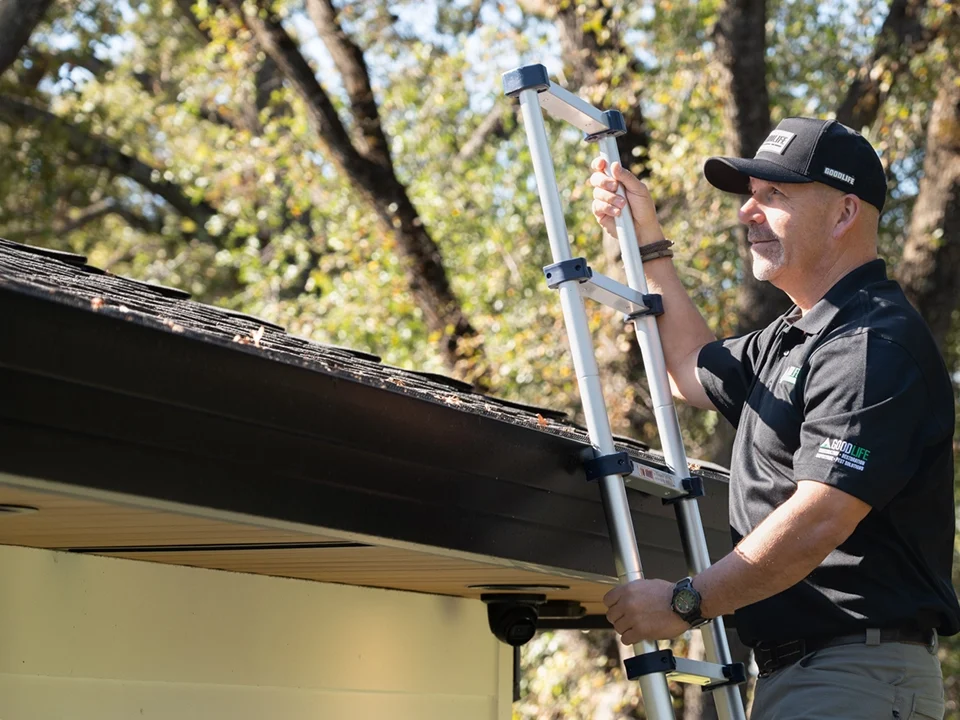
A focused roof inspection looks at the roof’s condition and known concerns. Ask whether the scope covers the roof surface, flashing, drainage, and visible signs of water entry. Flashing helps direct water away from joints and openings.
The report is not a promise of an exact number of years of roof life. Ask what could be seen and what needs a closer look.
Sewer camera inspection
Good Life Inspections’s sewer inspection uses a camera to view the accessible line. The team looks for issues such as roots, clogs, and visible pipe damage.
Ask where the camera will enter and whether you will get the video. If a blockage stops the camera, part of the line may remain unseen. The scope does not test every pipe and fixture in the house.
Pool and spa inspection
A pool and spa inspection gives the pool, spa, and related equipment their own review. Ask what parts and operating checks are included.
If you want a leak test, ask about that scope by name. Do not assume a routine visit checks all buried pipes or certifies every safety rule.
Energy-efficiency inspection
Good Life Inspections lists energy-efficiency inspections among its services. Explain what you need when booking. Learning where a home may waste energy and getting a specific compliance form are different goals.
Ask which tests and written results are included. Do not assume the service guarantees lower bills or qualifies the home for a rebate.
System checks that need a separate specialist
Electrical inspection
A licensed electrical contractor can take a closer look at a panel, wiring, or circuit concern. Send the report and point out the question you need answered.
For example, plans to add equipment may raise a question about the circuit that would serve it. Ask what tests and written findings the work includes.
Plumbing inspection
A plumbing specialist can check a concern with a supply pipe, drain, fixture, or water pressure. Show them where the problem occurs and what the inspector found.
A leak under a sink and a problem in the buried sewer line are different scopes. Good Life Inspections’s sewer camera service should not be confused with a full plumbing diagnosis.
Heating and cooling evaluation
An HVAC specialist can check a heating or cooling fault in more depth. HVAC means heating, ventilation, and air conditioning.
Ask what failed, what repair is proposed, and what remains unknown. A plan to replace equipment should explain why, not just cite its age.
Chimney inspection
A chimney specialist can help define the scope for a fireplace, flue, and venting system. Ask whether the visit includes a camera view inside the flue or only visible surfaces.
Tell the firm why you need the review: a report finding, a change in use, or missing service records.
Structural engineering evaluation
Take a report’s call for engineering review to a qualified structural engineer. Ask for written findings tied to the area in question.
A crack photo alone is not a full diagnosis. A referral does not prove that the structure is failing or that the crack is harmless. It means the question needs the right expert.
Soil and site evaluation
A geotechnical professional studies soil and ground conditions. For a sloped site or a concern about ground movement, ask what site work and records are needed.
“Geotechnical” refers to soil, rock, and how they relate to the work built on them. This review differs from looking at the home’s visible parts.
Environmental checks need their own scope
Lead-based paint inspection
EPA recommends a certified lead-based paint inspector or risk assessor to find out whether lead-based paint is present and where it is located. Its guidance covers older homes, including those built before 1978. See EPA’s lead-paint guidance.
Ask whether you need a paint inspection, a risk assessment, or both. A general home inspection is not a lead test.
Radon testing
EPA’s Home Buyer’s and Seller’s Guide to Radon covers testing during a sale. It explains both hired testing and the use of consumer devices.
Ask how the test will be set up and how much time it needs. Do not assume a hired test is always more reliable than a properly used kit. Arrange this work through a radon-testing provider.
Mold evaluation
EPA states: “In most cases, if visible mold growth is present, sampling is unnecessary.” Its mold-testing guidance explains the need for relevant experience when samples are taken.
Ask an experienced environmental professional what question a test would answer. Use that provider for sampling and lab questions. A Good Life Inspections home inspection does not provide a health assessment.
Asbestos inspection
EPA advises using a trained and accredited asbestos professional when samples are needed. Its asbestos guidance explains that a material’s look alone generally cannot tell you if it contains asbestos.
Discuss the material and any planned work with that expert. Do not take your own sample based on a report photo.
If you are buying, review your home inspection contingency before booking extra checks. Plan enough time to receive the findings and discuss them with your agent.
Match the review to the home and the deadline
Good Life Inspections also offers pre-listing, commercial, multifamily, and 11-month warranty inspections.
A pre-listing review helps the seller learn about the home before a buyer’s inspection. An 11-month review records findings before a builder-warranty deadline. The warranty itself sets what is covered and how to make a claim.
For a building with several units, ask which units and shared systems the scope includes. Confirm access to those spaces. A commercial or multifamily review is not simply a single-house inspection with a different title.
For ants, rodents, and other general pest concerns, see Good Life Pest Solutions’ general pest inspection. It is a separate service from a separate Good Life Group company. Its service page distinguishes this work from termite/WDO inspections.
What types of home inspections should I get?
List the home’s features and the questions you need answered. Then compare that list with the booked scope. Pay close attention to anything excluded or left for another expert.
Two hypothetical examples show how this works.
A house has a pool but no sewer report. The buyer asks about pool and sewer checks before booking. These add-ons address specific gaps. The buyer does not need to order every service in this guide.
A ceiling has a stain. The inspector’s notes help frame the next question. A roof or plumbing check may be useful, depending on where the evidence points. The stain alone does not prove its cause or make a mold test the next step.
These are made-up examples, not Good Life Inspections client cases or diagnoses.
If a check finds a defect, our guide to who pays for repairs after a home inspection explains repair requests, credits, and checks on finished work.
Choose the scope before the appointment
When you schedule an inspection with Good Life Inspections, share the home details, prior reports, and your review deadline. Confirm what is included, how access will work, and which questions need an outside expert.