
Buying a home is a big decision—and a home inspection helps you move forward with clarity. In the interview below, Good Life Inspections Vice President Steffen Gilbert shares insights on why inspections matter, the major systems that can impact cost, and how to use inspection findings to make confident decisions.
Key takeaways
- A home inspection helps you move forward with eyes wide open—not fear.
- The “big four” systems—roof, electrical, HVAC, plumbing—can mean major costs.
- A great inspector provides clarity, not personal opinions.
- Attending the walkthrough makes the report easier to understand.
- A strong inspection partner supports both clients and agents through smoother closings.
Introduction
Host: When you’re buying a house, you’re trying to save money—everywhere you can. And the last thing you want to hear from your realtor is: “Now go find a home inspection.”
I’ll be honest—when I bought my first house, I looked for the cheapest home inspection I could find. My agent said, “You need it to move forward so you can get your keys.” I didn’t really understand why it mattered. It was just another cost on top of a down payment I worked years to save.
Then I got into this industry and realized: a home inspection is a major part of the deal. I also hear people say inspections “ruin deals.” So I want to ask: what’s the real value of a home inspection? Does it ruin deals—or can a good inspector help turn a hard situation into a good deal?
The “fast, quality, cheap” reality
Steffen Gilbert (Vice President): I’ll start with something that applies to any business. People want something done fast. They want quality. And they want cheap. You can usually get two of those—but you’re not going to get all three.
Real estate services in California are incredibly important. Agents work very hard for their commissions, and this purchase is typically the largest investment of someone’s life.
Think about it: how long did it take to save your down payment? Years, usually. Sacrificing dinners, vacations, family trips. So why would anyone want to risk saving a couple hundred dollars on something designed to protect that investment?
Host: Exactly. In the moment, you think you’re saving money. Later you realize that a better inspection could’ve helped you negotiate credits—or avoid surprises.
Why home inspections are so important
Host: Teach our audience: why is a home inspection so important? How does it protect people—not just the property?
Steffen Gilbert (Vice President): The idea of doing any inspection—home, roof, termite—is eyes wide open. Disclose, discover.
A home inspection helps us discover deficiencies at the property. And there’s another big value: it can act like a user’s manual for the home.
Unless you’re the original owner, you move in and you don’t necessarily know where things are. You may not know where the water main shutoff is, the electrical panel, or the gas shutoff. We document those items.
We also document safety hazards a buyer may not notice—like a step-up in the garage slab that becomes a tripping hazard. Sellers sometimes say, “We’ve always known it’s there.” That’s fine—but the buyer doesn’t know it’s there yet. We want them to know.
Host: So the inspection isn’t just about defects—it’s also practical education.
Steffen Gilbert (Vice President): Exactly. Home inspectors are generalists. We assess the overall building, including structure and the major mechanical services.
What a home inspector focuses on (in plain language)
Host: Let’s use vocabulary a new homebuyer can understand. What exactly are you looking at?
Steffen Gilbert (Vice President): We look at the home’s “envelope”—the exterior shell and how it’s holding up. Siding, stucco, windows, signs of leakage, and overall condition.
And the big four systems a home inspector focuses on are:
- Roofing
- Electrical
- HVAC
- Plumbing
These can be major costs. HVAC replacement can be around $15,000. A roof can be roughly $22,000–$32,000. Electrical issues might be $4,500–$7,500. (Costs vary by home and market.)
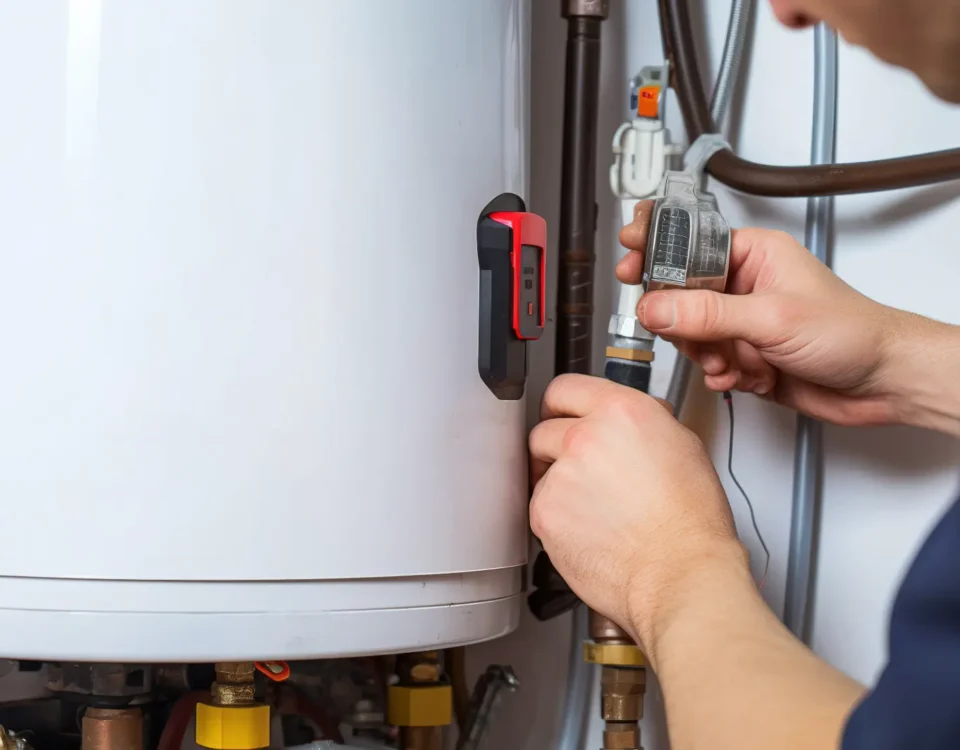
Our job is to check whether systems appear to be operating properly. If something doesn’t appear to be working optimally, we recommend evaluation by a licensed specialist who has the tools and training to diagnose it.
Host: And that’s where the inspection becomes powerful in the transaction.
Steffen Gilbert (Vice President): Right. You may learn it’s a $500 fix and you can ask for a $500 credit. Or you may learn a system is at end-of-life and replacement could be $18,000. That gives the buyer a chance to negotiate credits, request repairs, or reconsider the purchase with clarity.
Do home inspections “kill deals”?
Host: People talk about inspections killing deals. What’s your take?
Steffen Gilbert (Vice President): A home inspector should not be offering opinions on things that aren’t relevant to the actual house. We don’t know what matters most to the customer.
Dialogue is important. A first-time buyer may need things explained differently than an investor or someone buying their fifth home. A good inspector presents information in a way that’s consumable and helps the buyer understand what’s important.
We don’t need to comment on the color of cabinets or carpet. The job is to evaluate function, safety, and condition—not personal preferences.
Host: So a good home inspector needs to “read the room.”
Steffen Gilbert (Vice President): Exactly.
Why this matters to real estate agents
Host: How does a good home inspector protect an agent’s reputation and help them promote their business?
Steffen Gilbert (Vice President): Agents should use their vendors and partners to transfer liability—especially in California.
When there’s an issue after closing, the first call usually goes to the agent. A good agent redirects appropriately: roof leak? That’s for the roofing professional. Electrical issue? That’s for the electrician. The home inspection and related trade inspections help ensure the right licensed professional is accountable for their work.
A strong inspection partner also supports customer care and trust. If something is questioned later, we’re proactive about getting eyes on it and helping everyone feel comfortable.
Should buyers and agents attend the inspection?
Host: Should I be there as the buyer or seller? Should the realtor be there?
Steffen Gilbert (Vice President): Yes—having the agent on site is valuable, and I love having the buyer there too.
The buyer doesn’t necessarily need to be there at the beginning. It can help if they show up about an hour into the inspection, then we do a walkthrough. A good home inspector will take the time needed to make the client comfortable with the results.
One picture is worth a thousand words. Many defects are hard to interpret from text alone, but easy to understand when you see them in person.
Closing thoughts
Host: The better we educate homeowners and realtors, the better decisions they can make.
Steffen Gilbert (Vice President): Exactly. It’s not our decision—it’s their decision. Our job is to equip them with clarity.
Want clarity before you commit to a home? Schedule your inspection early in the contingency period and plan to attend the walkthrough so you can ask questions on-site. Ready to book? Contact Good Life Inspections.