
Appliances and major home systems don’t last forever, and a home inspection can only tell you so much about how much life is left in them. Here’s a general guide to typical lifespans and replacement-cost ranges, so you can budget realistically for what’s coming.
What a Standard Inspection Does and Doesn’t Cover
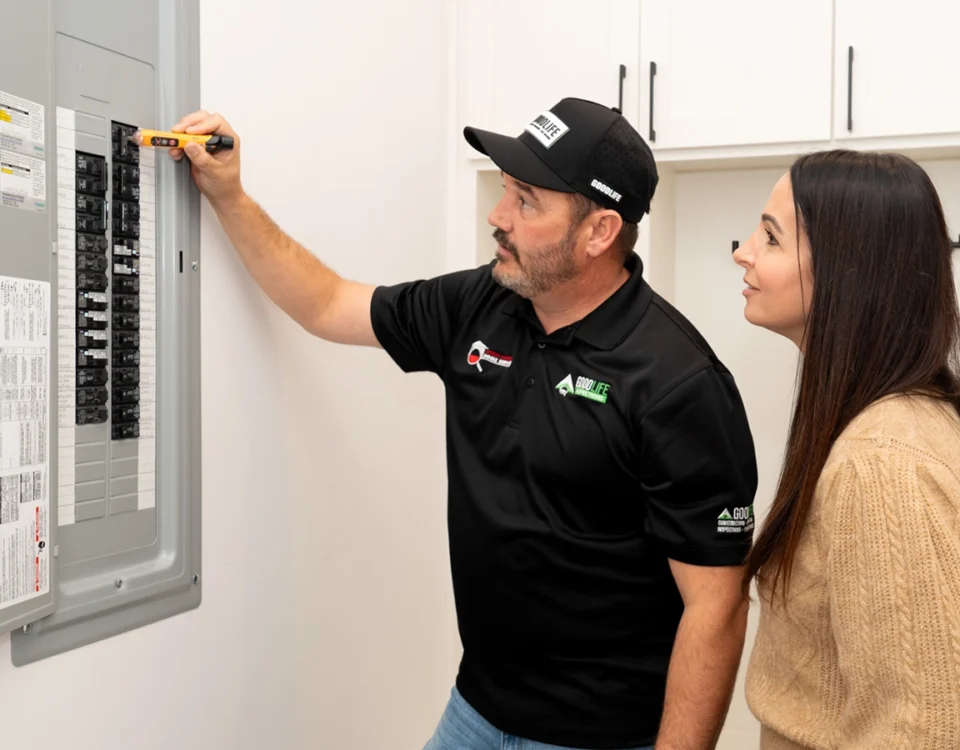
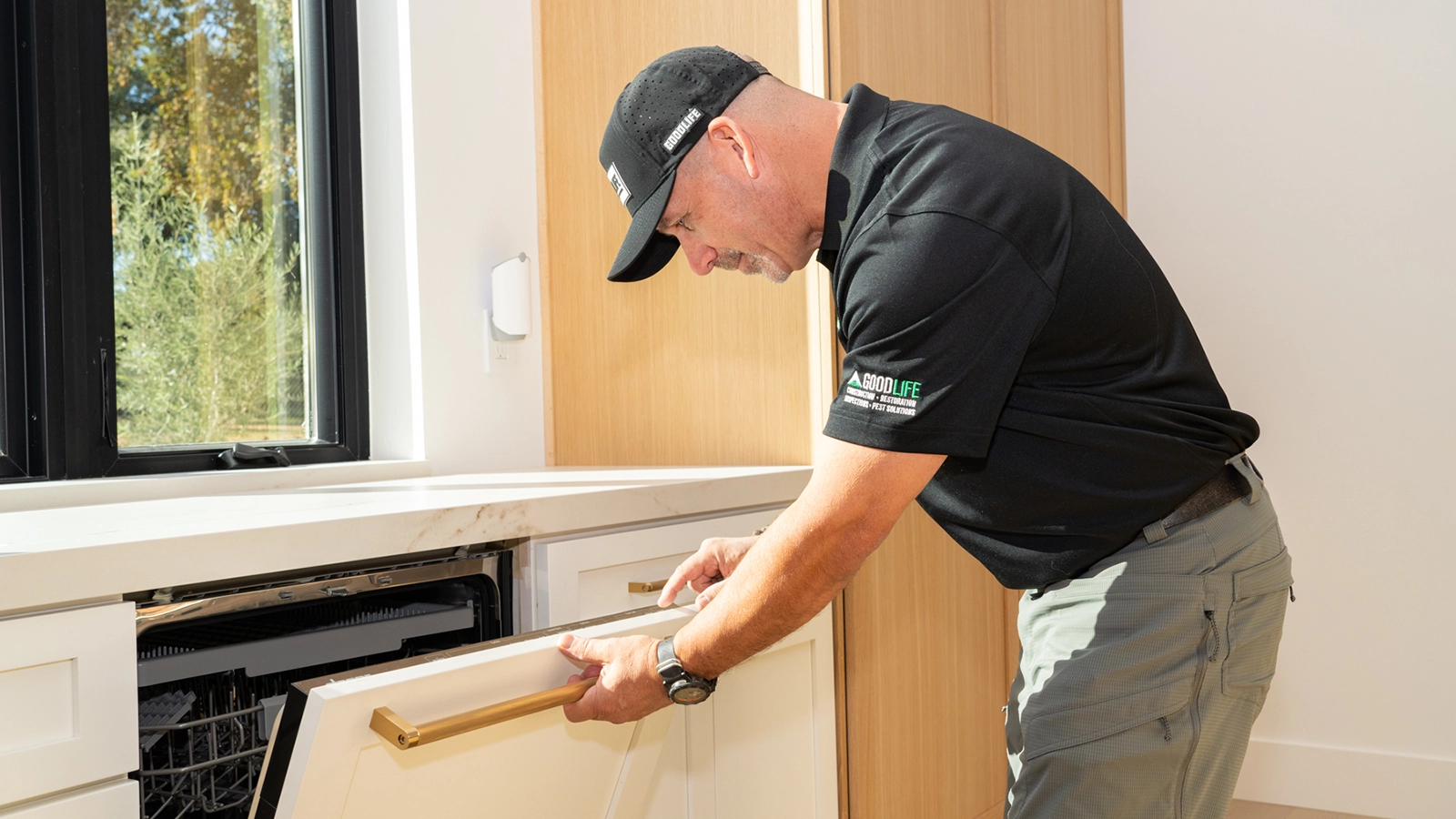
A standard home inspection typically tests dishwashers for basic function and leaks. Most other major appliances — refrigerators, stoves, microwaves, washers, and dryers — are generally outside the scope of a standard inspection and aren’t tested for remaining service life. If these are a priority for you, ask your inspector directly what is and isn’t included, and consider a separate appliance evaluation for anything you’re relying on heavily.
General Appliance and System Lifespans
Based on general industry data (including guidance published by the National Association of Home Builders), typical service lifespans are usually in these ranges — actual lifespan varies significantly with usage, maintenance, and manufacturer:
- Major appliances (dishwashers, refrigerators, stoves, microwaves, washers/dryers): roughly 6-15 years
- HVAC systems: roughly 15-20 years
- Roofing: roughly 20-50 years, heavily dependent on material
General Replacement-Cost Ranges (Estimates Only)
The figures below are general market estimates, not GLI-published prices, and can vary significantly by brand, region, and installation complexity. Treat them as a starting point for your own budgeting, not a quote.
| Item | General estimated replacement-cost range |
|---|---|
| Dishwasher | Roughly $400-$700 |
| Refrigerator | Roughly $400-$2,000+ |
| Stove/range | Roughly $500-$2,000+ |
| Microwave | Generally under $200 |
| Washer or dryer (individual) | Roughly $600-$1,000+ each |
| Stacked washer/dryer unit | Roughly $1,300+ |
| New HVAC system | Roughly $9,000-$12,000 |
| Roofing | Rough general estimate of a few dollars per square foot of material and labor — see our roof repair and replacement cost guide for a more current, detailed breakdown |
How to Use This When Evaluating a Home
Ask the seller or your agent about the age of major appliances and systems, and factor near-term replacement into your overall budget if items are approaching the end of their typical lifespan. This is separate from — and complements — the findings in your home inspection report, which focuses on current condition and safety rather than remaining useful life.
Frequently Asked Questions
Will my inspector tell me how many years are left on my HVAC system?
An inspector can report the system’s apparent age, condition, and any visible issues, but predicting an exact remaining lifespan isn’t part of a standard inspection. Ask your inspector what they can tell you about age and condition specifically.
Should I get appliances inspected separately before buying?
If specific appliances are a priority (a built-in refrigerator or a newer HVAC system you’re counting on, for example), consider asking about a separate appliance or systems evaluation, since most appliances beyond the dishwasher aren’t part of a standard inspection’s scope.
Can I negotiate based on aging systems?
Sometimes — see our guide on who pays for repairs after a home inspection for how these conversations typically work, keeping in mind that normal wear from age isn’t always treated the same as a defect.
Schedule Your Inspection
Schedule an inspection or contact us with questions about what’s included in your inspection.