

Your home should be the safest place for your family. But many home safety hazards go unnoticed until someone gets hurt.
As contractors, remodelers, and home improvement professionals, we regularly see safety issues that homeowners never expected to find. Some are small and easy to fix. Others are more serious and can put your family, guests, or even your property at risk.
The good news is that most of these problems can be identified early and corrected before they lead to an accident. The goal is not to panic. The goal is to stay aware, take the right steps, and make your home safer over time.
Here are 11 hidden home safety hazards every homeowner should watch for.
1. Uneven walkways and trip hazards
Uneven concrete, lifted sidewalks, and settled walkways are among the most common safety hazards around a home. These problems are often caused by drainage issues, soil movement, or tree roots.
Even a small height difference can create a serious trip hazard, especially for children, older adults, and guests who are unfamiliar with your property. If you notice raised edges or unstable walking surfaces, it is best to repair them before someone gets hurt.
2. Unsafe deck, balcony, and stair railings
Older homes often have railings that are too low, weak, loose, or spaced too far apart. That can create a major fall risk.
This is especially important for families with small children. Outdated or poorly built railings may not provide the protection homeowners assume they do. If your railings feel unsafe or appear worn, it is worth having them inspected and upgraded to meet current safety standards.
3. Missing electrical cover plates and exposed wiring
A missing switch plate or outlet cover may seem like a minor issue, but it can expose wiring and create a real shock hazard.
This is one of the easiest safety problems to overlook because it looks simple. But exposed electrical components should never be left accessible, especially in garages, utility rooms, unfinished spaces, or high-traffic areas. Replacing damaged or missing cover plates is an inexpensive fix that can improve safety right away.
4. Poor lighting in hallways, bathrooms, and stairs
A poorly lit home is more dangerous than many homeowners realize. Falls often happen at night when someone is moving through a dark hallway, using the stairs, or walking half-awake to the bathroom.
Adding low-level lighting or motion-sensor lighting can make a big difference. Today’s options are more discreet than ever and can be installed in a way that improves visibility without making the home feel overly bright at night.
5. Missing or non-working smoke and carbon monoxide detectors
Working smoke and carbon monoxide detectors are essential in every home. If they are missing, outdated, or not tested regularly, your family may not have enough warning in an emergency.
Every homeowner should make these devices a priority. Whether your system is hardwired or battery powered, the most important thing is to make sure detectors are installed correctly, tested regularly, and replaced when needed.
6. Unsafe bedroom egress and emergency escape routes
In an emergency, every bedroom should have a safe and usable way to exit. Doors and windows should open easily and provide a clear escape route if there is a fire or another dangerous situation.
This is one of the most overlooked home safety risks in older homes, additions, and converted rooms. If a sleeping space does not have a proper exit path, the room may not be as safe as it should be.
7. Poor fire separation between the garage and living space
The garage often contains vehicles, tools, fuel, appliances, and other potential fire hazards. That is why the separation between the garage and the living area is so important.
If that wall or door has been damaged, improperly modified, or left with openings, it may not provide the level of protection it was meant to. This is not always obvious to homeowners, but it is an important part of overall home safety.
8. Charging lithium batteries inside the home
Many modern devices use lithium batteries, including phones, laptops, backup batteries, e-bikes, and scooters. While these products are convenient, they can also create a serious fire risk if they overheat or are charged improperly.
Larger battery-powered equipment should be handled with extra caution. If possible, charge these items in a safer, well-ventilated area and follow all manufacturer recommendations. This is one of the newer home safety hazards many families do not think about until it is too late.
9. Mold caused by moisture, condensation, or poor ventilation
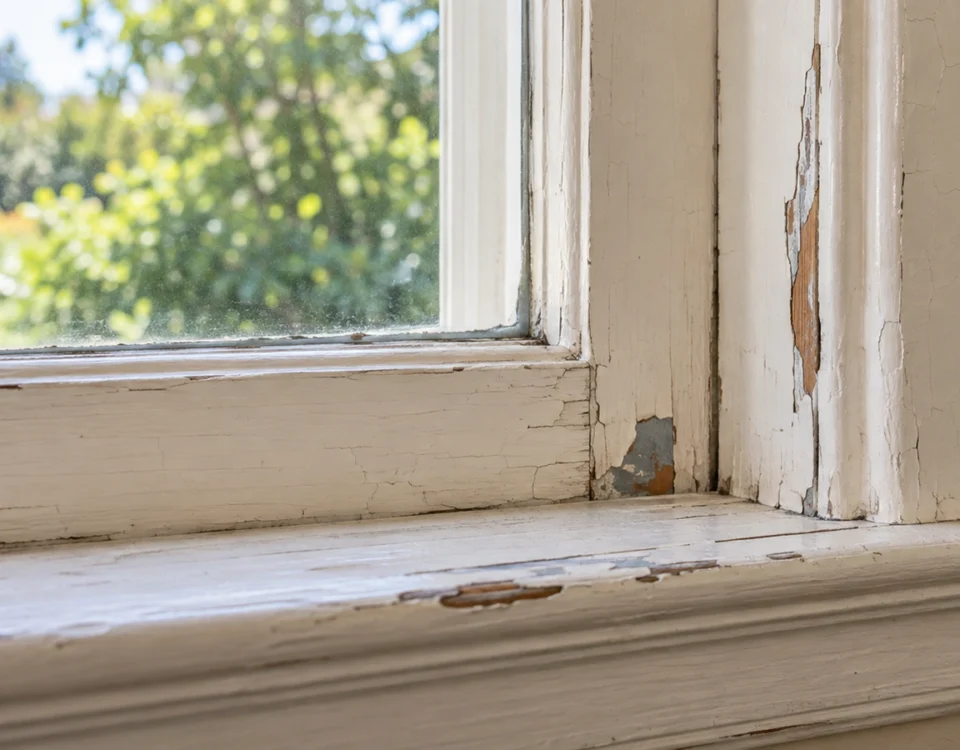
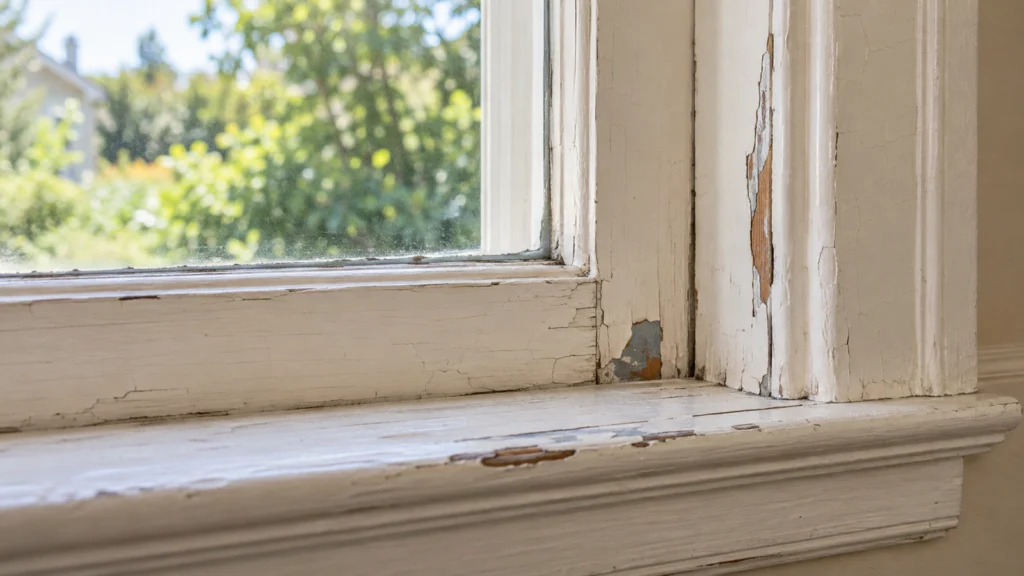
Mold is more than a cosmetic issue. It is often a sign that moisture is building up somewhere in the home.
Leaks, condensation, poor insulation, and weak ventilation can all contribute to mold growth. If you notice musty odors, dark staining, damp materials, or repeated moisture around windows, bathrooms, or laundry areas, it is important to address both the mold and the condition causing it. Fixing the source is what helps prevent the problem from returning.
10. Unfenced pools and unsecured access points
A backyard pool can be a great feature, but it also comes with major safety responsibility. Without proper barriers and controlled access, a pool can become a serious hazard, especially for children.
Pool fencing, secure gates, and better supervision all help reduce risk. For many homeowners, pool safety is one of the most important parts of a complete home safety checklist.
11. Liability risks when someone gets hurt on your property
Home safety is not only about protecting your family. It is also about reducing the chance that a visitor, worker, or contractor gets injured on your property.
Unsafe walkways, open access points, poor lighting, and other hazards can lead to serious injuries and expensive claims. Homeowners should also make sure that anyone performing work on the property is properly insured. A safe property protects both people and peace of mind.
Final thoughts
Most hidden home safety hazards are easy to ignore because they do not seem urgent at first. But many accidents happen because of problems that were visible all along and simply never addressed.
The best approach is to stay aware, correct hazards early, and make safety part of your ongoing home maintenance plan. Small improvements can go a long way in protecting your family, your guests, and your home.
Conclusion
If you are concerned about hidden safety risks in your home, hiring an experienced home inspector can help you identify problems early, avoid costly repairs, and protect your family and property.
FAQs
What are the most common home safety hazards?
Some of the most common home safety hazards include uneven walkways, unsafe railings, poor lighting, missing smoke or carbon monoxide detectors, exposed wiring, mold, and unsecured pool access.
How can I make my home safer for my family?
Start by identifying obvious hazards, improving lighting, checking detectors, repairing trip hazards, securing railings, and addressing moisture or electrical issues before they become bigger problems.
Why are hidden home safety hazards dangerous?
Hidden hazards are dangerous because many homeowners do not notice them until an accident happens. Problems that seem small can lead to falls, electrical injuries, fire risks, or health issues.
How often should homeowners inspect for safety hazards?
Homeowners should check for safety issues regularly throughout the year, especially after storms, renovations, seasonal changes, or when buying or moving into a home.
Are older homes more likely to have safety hazards?
Yes, older homes are more likely to have outdated railings, older electrical components, poor lighting, moisture issues, and other conditions that may no longer meet modern safety expectations.
When should I call a professional about home safety concerns?
You should contact a professional if you notice structural issues, unsafe railings, signs of moisture or mold, electrical concerns, fire separation issues, or any hazard you are not comfortable evaluating yourself.