
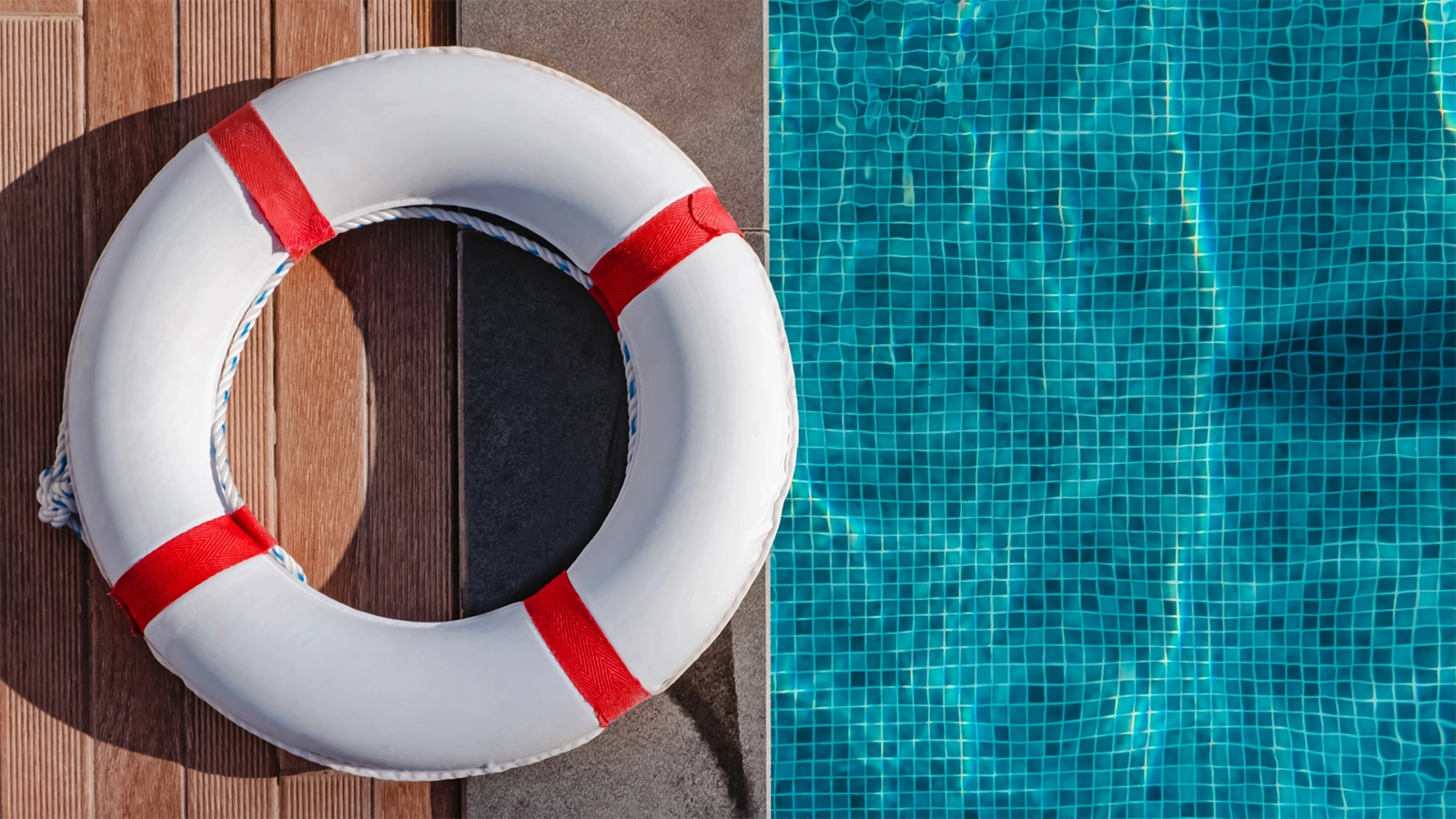
A compliant safety barrier is required by law in most cases — but the barrier alone isn’t the whole safety picture. The everyday habits below are simple, low-cost ways families can reduce pool-related risk at home, on top of whatever barrier feature your pool already has.
Never Let Kids Swim Alone — Even for “Just a Minute”
The single most effective pool-safety habit is also the simplest: young children should never be at or near the pool without direct adult supervision, even briefly. Make the rule explicit and consistent — “no pool without an adult” — rather than assuming older siblings or a general sense of “someone’s around” is enough. Assign a specific “water watcher” during gatherings so supervision isn’t accidentally left to no one in particular.
Set Clear Rules About When the Pool Is Used
Establishing a predictable schedule for pool use — and clear rules for when it’s off-limits — reduces the chance of unsupervised access. Avoid swimming immediately after strenuous activity or during storms, and make sure kids understand the pool isn’t available “any time,” but only during specific supervised windows.
Choose a Walkable Safety Cover Over a Floating One
If your pool uses a cover, a rigid, walkable safety cover offers meaningfully more protection than a floating cover — it can support the weight of a child or pet who wanders onto it, where a floating cover cannot. A proper safety cover also helps keep leaves, debris, and pests out between uses.
Combine Habits With Your Required Safety Barrier
California law requires most residential pools to have at least one of seven approved safety features (self-latching gates, approved covers, exit alarms, and similar). See our guide to California’s pool safety barrier requirements for what the law requires. The habits on this page work alongside that barrier — not instead of it.
Frequently Asked Questions
Is a pool alarm a substitute for supervision?
No. An alarm can add a layer of protection, but it alerts you after unauthorized entry has already happened — it isn’t a substitute for direct supervision while children are near the pool.
Do these tips apply to spas and hot tubs too?
Yes — the same supervision and access-control principles apply to spas, which carry their own drowning and scald risks for young children.
How does a pool and spa inspection relate to safety?
A pool and spa inspection evaluates the physical condition of the pool and its equipment — a separate question from both the legal barrier requirement and the everyday habits on this page.
Schedule a Pool and Spa Inspection
Schedule your pool and spa inspection or contact us with questions.