

Short answer: Skipping a home inspection can make your offer look simpler. It also gives up your best chance to learn what you are buying before you own it. In this Good Life Inspections conversation, mortgage-industry veteran Mike Miklaus joins Jason Hampton and Steffen Gilbert to talk through waived inspections, repair requests, seller credits, deferred upkeep, and why it pays to learn about a house early.
One idea runs through the whole episode. An inspection does not decide whether you should buy or sell. It just means fewer unknowns when you do decide.
Good Life Inspections talks with mortgage-industry veteran Mike Miklaus about inspection waivers, repair decisions, seller credits, deferred upkeep, and pre-listing inspections. Runtime 54:46.
Key Takeaways
- Waiving an inspection does not remove problems from a house. It only changes when you find them.
- A repair and a credit solve two different things. One fixes the house. The other moves money.
- A small clue in plain sight can be worth a closer look, even when it looks minor.
- A pre-listing inspection buys a seller time to think before a buyer and a deadline are in the room.
- Inspectors, agents, lenders and attorneys each own a different question. Good deals keep those lanes clear.
Why Do Buyers Waive Home Inspections?
Most buyers who waive are not careless. They are trying to win. When homes get multiple offers, waiving the inspection is one of the few things a buyer can hand a seller for free.
The habit is what the episode keeps coming back to. Waiving home inspections started as a tactic in a hot market. For some buyers it stuck around after the market cooled, which means they give up the check without getting the edge it used to buy.
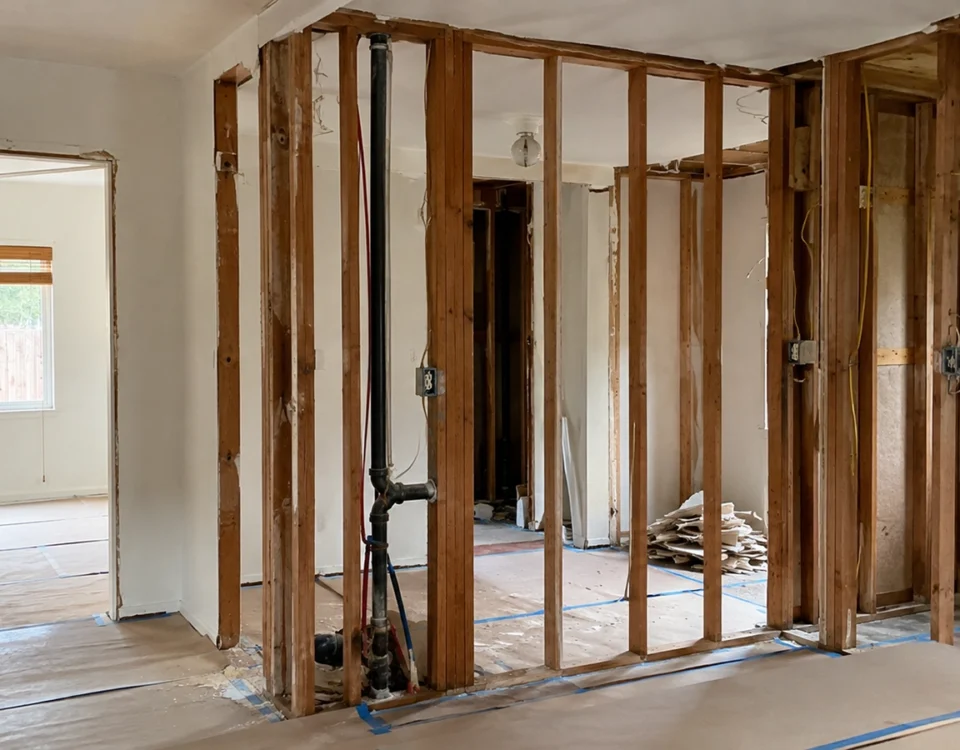
It helps to split speed from knowledge. Skipping the inspection takes a step off your calendar. It does not take away the worn roof, the damp crawl space, the tired panel, the old water heater, or anything else the house already has. You just meet those things later, and later is usually the costly place to meet them.
If timing is the real problem, there are other ways to solve it. Ask your agent whether a pre-offer inspection is workable in your market, or whether a shorter window would do the same job as waiving. The clause itself, and what giving it up means, is covered in our home inspection contingency guide. We can tell you what the house looks like. Your agent or attorney tells you what to sign.
What Are the Risks of Skipping a Home Inspection?
The risk is not really “a big repair bill.” It is not knowing. Without an inspection you do not know which systems are working, which ones need help soon, and which ones a specialist should look at before you plan anything.
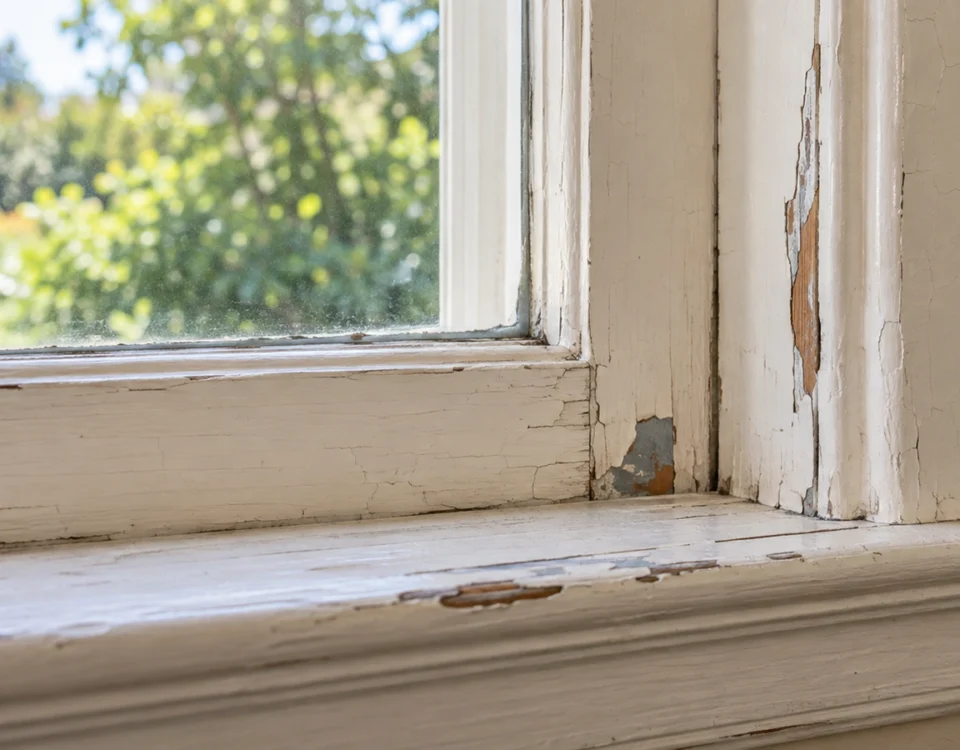
In the episode, the team walks through a case that started with a swollen baseboard. Nobody was worried about the baseboard. A piece of trim is cheap. What made it worth a second look is that swelling means water, and water had to come from somewhere. The board was the clue, not the problem. That is most of what an inspection does: it spots the small visible thing and tells you whether it is worth opening up.
The same logic applies to newer homes. A newer house is not automatically a clean one. Age tells an inspector what to expect, but it does not tell them what happened on that job site. Workmanship, drainage, flashing, seals and installed equipment all still have to be looked at on the actual property.
A Repair Credit Does Not Fix the House
Mike Miklaus brings the lender’s view to this part of the talk. Buyers and sellers often end up weighing a repair against a credit, a concession, or a lower price. Those are real choices with real effects on the loan. None of them changes what the report found.
Think of it this way. A credit puts money aside for work you will do later. A completed repair takes the problem off the table now. A price cut changes the deal without touching the house at all. Which one is right depends on the finding, your contract, who is available to do the work, your plans, and your loan. There is no single rule.
The order that works: understand the finding, find out what kind of specialist should look at it, then take the contract and financing questions to the people who own them. Good Life Inspections does not give lending, legal or real estate advice.
Why Sellers Gain From Knowing Early
For sellers the whole lesson is timing. If the buyer’s inspection is the first time anyone sees a problem, you are dealing with it on a deadline, with two agents, a buyer and a lender already watching. The same finding before you list is just a thing on your list. You have room to get a real opinion on it, price it, or decide it is fine as is.
A pre-listing inspection does not replace the buyer’s inspection, and it does not change what you have to disclose. It just means you are not learning about your own house at the worst possible moment. Our pre-listing inspection guide walks through how it works, and the Sacramento pre-listing inspection page covers scope and scheduling.
Who Answers Which Question?
| Your question | Who answers it |
|---|---|
| What did the inspector actually see at the house? | Your home inspector, or the specialty inspector who looked at it |
| Does this finding need a trade to look at it or fix it? | The licensed specialist named in the report or referral |
| What does my contract let me do about it? | Your real estate agent or attorney |
| How would a credit, a concession or a repair hit my loan? | Your lender or mortgage professional |
| Which option do I actually want? | You, once the people above have answered theirs |
This is one of the strongest threads in the conversation. Good professionals do not make the call for you. They make the call easier to see.
Episode Chapters
- 0:00 — Meet Mike Miklaus, Jason Hampton and Steffen Gilbert
- 6:12 — How inspection-waiver habits changed
- 13:41 — Repairs, verification and closing delays
- 22:20 — A seller’s pre-listing inspection story
- 29:53 — When a small sign calls for a closer look
- 46:09 — Why early answers reduce friction
- 53:08 — Final advice for buyers and agents
Common Questions
Should you waive the inspection contingency to win the offer?
That is a trade, so price it like one. You are giving up your window to act on what an inspector finds, in exchange for looking easier to work with than the next offer. Ask your agent how much that is actually worth in your market right now, and whether a shorter window would buy you the same goodwill. You can still hire an inspector after you waive. You just will not have the report’s bargaining position behind you. Our home inspection contingency guide covers how the clause itself works.
You already waived. What now?
Get the inspection anyway, as soon as you can. Even with no contract rights left, a report tells you what to budget for, what to watch, and what needs a specialist before it gets worse. Plenty of our buyers book after closing for exactly that reason. Knowing what you own beats guessing at it.
Is a pre-offer inspection the same as a pre-listing inspection?
No. A pre-offer inspection is ordered by a buyer before the offer goes in or gets locked down. A pre-listing inspection is ordered by the seller before the house hits the market. Both happen earlier than a normal buyer’s inspection, but they serve different people and different decisions.
Does the inspector decide whether I should buy the house?
No. An inspector reports what they can see within the scope of the inspection and says when something needs a closer look. What the house is worth to you, and what you do about the findings, is yours to decide.
Know the House Before You Decide
If you are buying or selling in Greater Sacramento, we can tell you what shape the property is in. Schedule a home inspection and let the team know whether you are buying, selling, or sizing up a house before you make an offer.