
You can’t tell lead paint by its color, age or cracking pattern. If your home was built before 1978, EPA recommends hiring a certified lead inspector or risk assessor to test it before you work on painted surfaces. The results help you decide whether to manage the paint in place or arrange work by a lead professional.
For buyers and owners in Sacramento, the first task is choosing the right kind of inspection. This guide explains those choices and the questions to ask. It shares facts about older homes, not a lead clearance, medical opinion or legal advice.
Older paint: what appearance can and can’t tell you
EPA explains that the federal government banned the sale of lead-based paint for homes in 1978. Older layers can still remain beneath newer paint. A fresh finish doesn’t establish that the layers below it are lead-free.
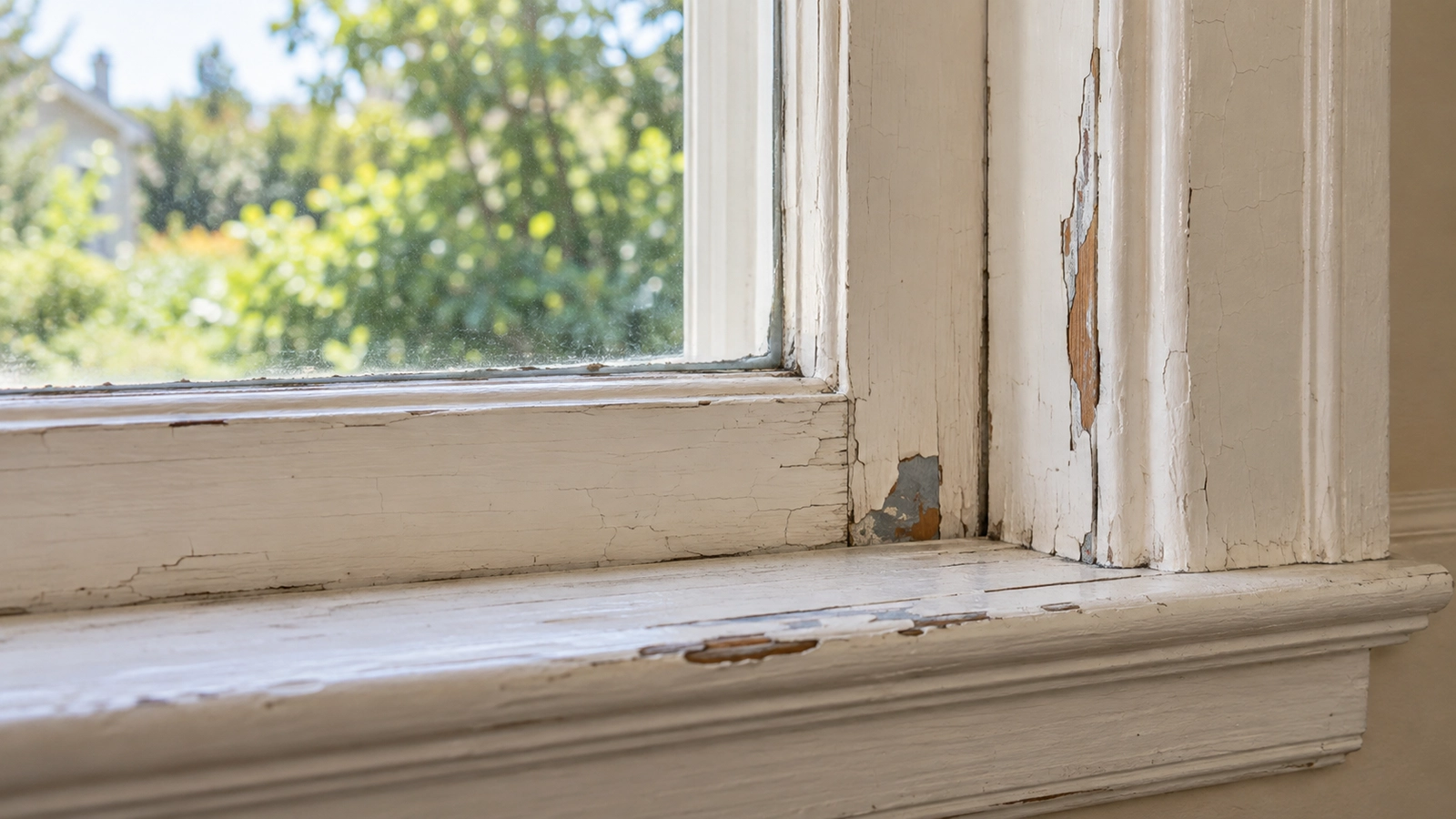
The condition of the paint matters. EPA identifies peeling paint and surfaces that rub together, such as doors and windows, as sources of lead dust. Intact paint and a worn window edge call for different choices, even in the same house. See EPA’s guidance on lead exposure at home.
CDC says children can be exposed to lead from paint chips and dust. If you think a child has been exposed, contact their healthcare provider. Testing a wall answers a different question from a blood lead test. See CDC’s lead paint guidance.
Choose the right lead paint test
Lead inspection or risk assessment: A lead inspection identifies where lead-based paint is present. A risk assessment checks for hazards from paint, dust and soil and suggests ways to deal with them. You can ask for both. EPA’s inspection and assessment guidance explains the difference.
Tell the specialist what you need to decide: buying the home, planning a remodel or dealing with peeling paint. Ask what areas will be checked, whether dust or soil is included, and what the written report will explain. A paint result alone doesn’t answer every question about exposure.
Home test kits: EPA recognition covers certain kits used by Lead-Safe Certified renovators for the renovation rules. It doesn’t mean a homeowner’s test proves the whole house is lead-free. EPA’s test-kit advice recommends a certified inspector or risk assessor for home testing.
Hypothetical example: You’re buying an older home with freshly painted rooms and worn window trim. A negative swab from one wall doesn’t settle the question for the windows or other rooms. Ask the specialist to explain the tested surfaces and the limits of the report before you rely on it.
Lead paint repair and management options
Finding lead-based paint doesn’t mean all the paint must come off. EPA’s homeowner guidance describes a choice between managing paint in place and abatement, which means work meant to end lead hazards for good. A certified risk assessor can help you choose between them.
The options below describe professional work, not instructions for doing it yourself. Ask how each proposal addresses the test results, what paint will remain, and what future checks are needed.
| Approach | What to discuss with the lead professional |
|---|---|
| Encapsulation | A special coating or material seals lead-based paint. Ordinary wall paint is not the same thing. Ask whether the coating suits the surface and what checks it needs. |
| Enclosure | A fixed barrier covers the painted surface. The lead paint remains underneath, so future work must account for it. Ask how edges and later access will be handled. |
| Replacement | The painted part is removed and replaced, such as a window or door. Ask how the work area, debris and nearby surfaces will be handled. |
| Removal | Lead paint is removed from the surface using specialist methods. Ask why removal is needed and how the work will be checked afterward. Do not treat this as a DIY paint-stripping job. |
Hire for the actual scope: renovation or abatement
EPA treats lead abatement and renovation, repair and painting (RRP) as separate programs with separate credentials. Renovation usually starts with another goal, such as replacing windows. Abatement is designed to address lead hazards. A contractor’s RRP credential does not by itself qualify someone for abatement. See EPA’s abatement-versus-renovation explanation.
For renovation in a pre-1978 home, EPA recommends a Lead-Safe Certified contractor. Ask for the firm’s certification and the qualified person in charge of the work. For lead abatement, ask for certification for that scope under the state’s program. Don’t use a general contractor license as a replacement for lead credentials.
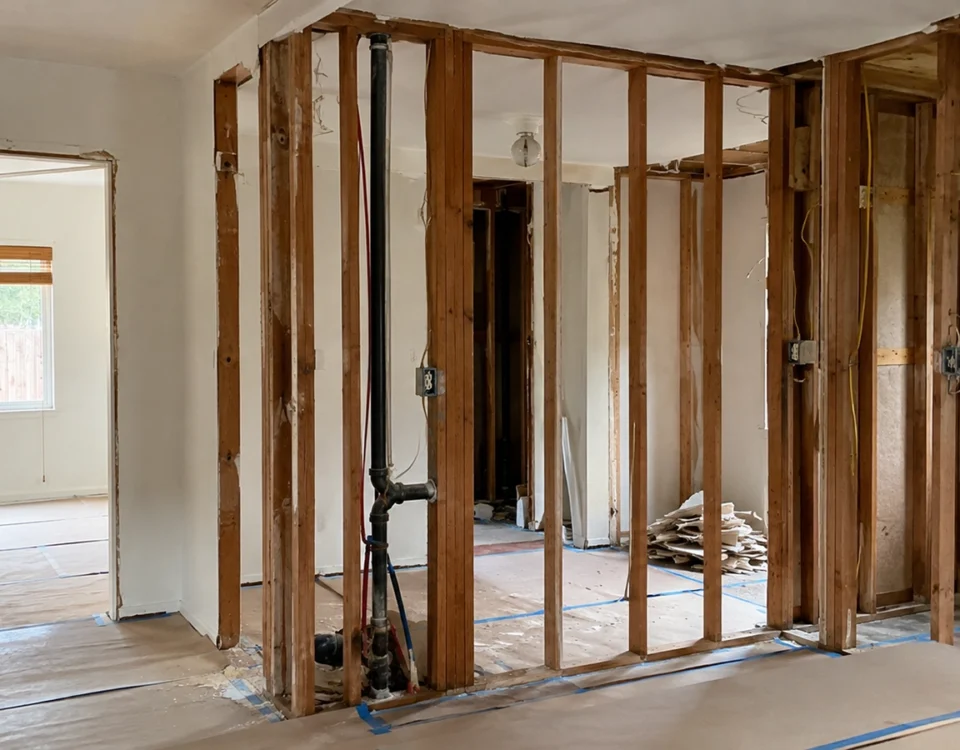
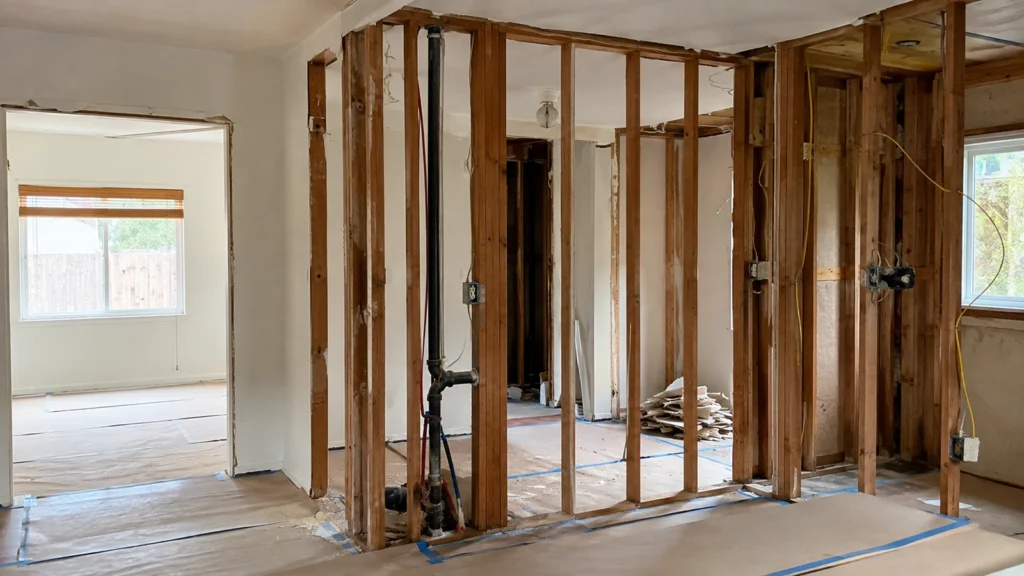
Hypothetical example: You plan to replace old windows for easier use. That is a renovation goal, but disturbing painted frames can create lead dust. Give the contractor any lead reports before work starts and ask how they will handle the painted surfaces. If the job’s purpose is to eliminate a known lead hazard, clarify the abatement scope and credentials instead.
Before accepting a bid, ask who handles keeping people out of harm’s way, cleanup, waste and any required clearance testing. Get the answers in writing. EPA’s renovation guidance is a useful starting point for that discussion.
Frequently Asked Questions
Is it safe to just paint over lead-based paint myself?
Don’t assume a new coat fixes a lead hazard. EPA states: “Just painting over the paint hazards with regular paint will not permanently address lead-based paint hazards.” A specialist should check the surface and the coating you plan to use. The distinction matters when comparing a repainting quote with a lead-hazard treatment plan.
Does a home inspection test for lead paint?
Don’t assume lead testing is included. A general home inspection and a lead-paint inspection have different purposes. Read the inspection agreement and ask which services are included before booking. A report describing visible paint damage is not a lab result or lead clearance.
If your main question is whether paint contains lead, arrange the specialist assessment described above. Use the general home inspection to learn about the property’s overall condition.
Are there rules about disclosing lead paint when selling a home?
EPA’s lead disclosure guidance says the federal rule applies to most housing built before 1978. It calls for sharing known lead information and existing reports, along with other required materials. A disclosure that the seller has no knowledge of lead is not a test result.
Ask your real estate agent or attorney to explain the requirements, exceptions and inspection opportunity for your sale. Keep the disclosure paperwork with any testing reports so each professional can see what is known.
Plan the inspection your older home needs
For a broader look at your property’s condition, explore Good Life Inspections’ Sacramento home inspections. Tell us the home’s age and your main concerns when you contact us. Confirm the agreed scope, and arrange a qualified lead specialist separately when lead testing or abatement is needed.