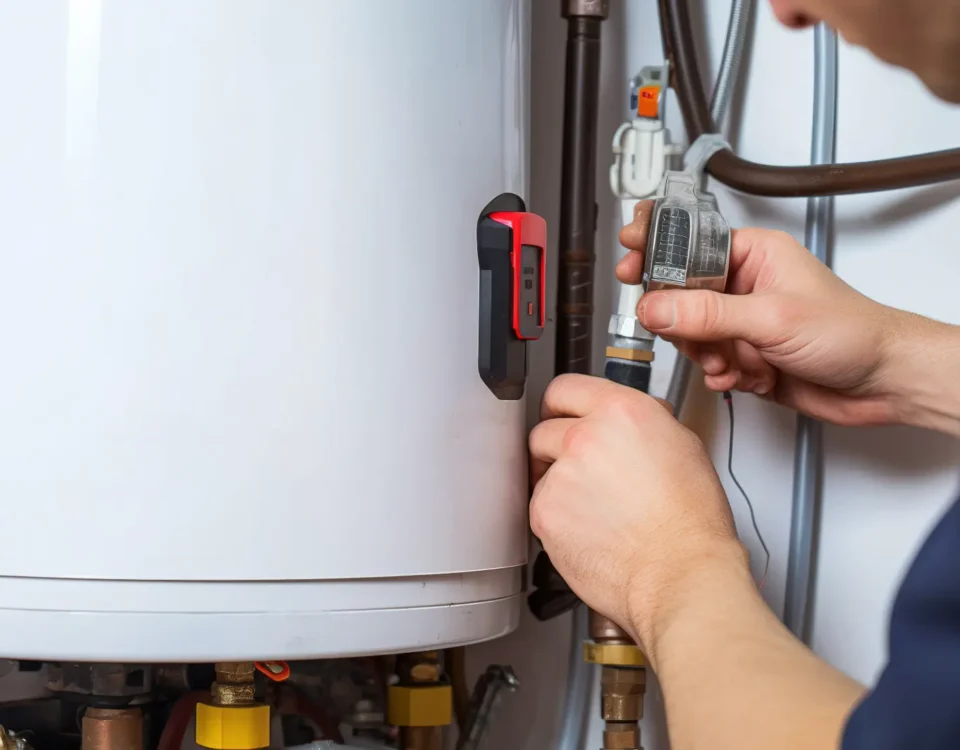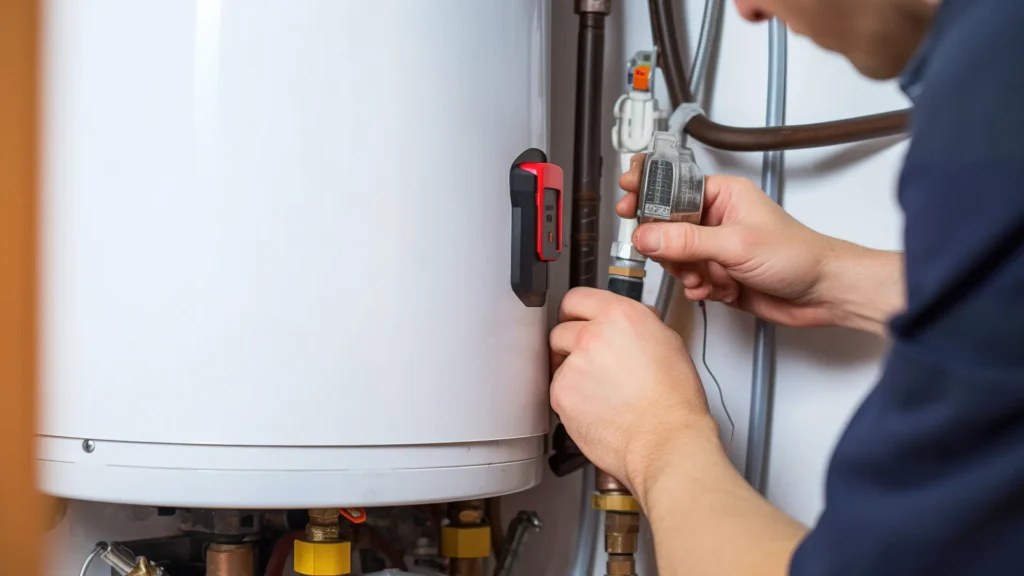

Yes, you should usually get a condo inspection before buying. A condo may look clean, updated, and move-in ready, but an inspection can reveal problems that are easy to miss during a showing, including water damage, plumbing leaks, HVAC issues, electrical concerns, moisture problems, and poor repairs.
At Good Life Inspections, we recommend looking beyond the finishes inside the unit. Buying a condo is different from buying a house because you are not only buying the space inside your walls. You are also buying into a shared building, shared maintenance responsibilities, HOA rules, insurance requirements, and possible special assessments.
A smart condo inspection checklist should help you understand:
- What condition the unit is in
- Whether visible systems are working properly
- What repair issues may cost you money after closing
- Which problems may need a specialist
- What HOA documents, reserves, and insurance details should be reviewed before buying
Even if the HOA maintains the building exterior or common areas, you may still be responsible for many items inside the unit. That can include the water heater, plumbing fixtures, appliances, electrical panel, flooring, windows, HVAC equipment, and interior leak damage.
The exact responsibility depends on the HOA documents, local laws, and insurance policy.
The goal of a condo inspection is simple: understand the real condition of the condo before you buy it.
What Does a Condo Inspection Include?
A standard condo inspection usually focuses on the interior of the unit and visible systems.
At Good Life Inspections, a condo inspection may include checking:
- Walls, ceilings, and floors
- Doors and windows
- Kitchen and bathrooms
- Appliances
- Plumbing fixtures
- Water heater
- HVAC system
- Electrical panel
- Outlets and switches
- GFCI protection near water
- Visible moisture or leak signs
- Balcony or patio, if accessible
The goal is not to predict every future repair. The goal is to help you understand the current visible condition of the condo before you buy it.
What a Regular Condo Inspection May Not Include
This is where condo buyers need to be careful.
A regular condo inspection may not fully cover areas controlled by the HOA or items that require a separate specialist inspection, such as:
- Roof
- Exterior walls
- Building structure
- Shared plumbing lines inside walls
- Elevators
- Hallways
- Garage
- Common areas
- Fire safety systems
- HOA finances
- Master insurance coverage
- Sewer or main drain scope
- Termite or wood-destroying pest inspection
That does not mean these items are unimportant. It means they may need to be reviewed separately through HOA documents, meeting minutes, maintenance records, the reserve study, the master insurance policy, or a specialist inspection.
For example, a sewer scope may be worth considering for townhouse-style condos, ground-floor units, older buildings, or properties with a history of drain backups. A termite inspection may be important for wood-frame buildings, ground-floor units, older properties, warm climates, or condos with patios or exterior wood elements.
The unit can pass inspection, but the building, HOA, sewer system, or pest history can still create future repair costs.
Condo Inspection Checklist
Use this quick condo inspection checklist before buying:
| Area to Check | What to Look For | Why It Matters |
|---|---|---|
| Ceilings and walls | Stains, cracks, bubbling paint | May show leaks or movement |
| Floors | Warping, soft spots, stains | Can reveal water damage |
| Plumbing | Leaks, slow drains, weak pressure | Repairs can be expensive |
| Bathrooms | Moisture, loose toilet, poor ventilation | High-risk area for leaks |
| Kitchen | Sink leaks, appliance issues, cabinet damage | Common source of hidden problems |
| HVAC | Age, noise, airflow, service history | Replacement can be costly |
| Electrical | Panel, outlets, GFCI protection | Safety and insurance concern |
| Windows and doors | Drafts, leaks, condensation | May show seal or water issues |
| Balcony or patio | Cracks, rust, drainage issues | Repair responsibility may vary |
| HOA records | Repairs, complaints, lawsuits | Shows building-level risk |
| Reserve study | Funding for future repairs | Low reserves may mean assessments |
| Insurance | Coverage and deductible | Helps avoid insurance surprises |
What to Pay Attention to During a Condo Inspection
Water Damage
Water damage is one of the biggest risks in a condo because it can come from your unit, the unit above, shared plumbing, roof leaks, windows, or exterior walls.
Watch for:
- Ceiling stains
- Soft or warped floors
- Bubbling paint
- Musty smells
- Fresh paint in one area
- Stains near windows
- Stains around baseboards
- Swollen cabinets
A small stain may be old and repaired. Repeated water damage in HOA records is more serious.
Plumbing
A condo plumbing inspection should check visible fixtures and signs of leaks.
Pay attention to:
- Sinks
- Toilets
- Tubs and showers
- Drains
- Water pressure
- Shutoff valves
- Water heater
- Visible supply and drain lines
Slow drains, weak water pressure, loose toilets, old shutoff valves, and stains under sinks should not be ignored. In older buildings, ask whether the HOA has a history of pipe leaks, drain backups, or plumbing replacement projects.
Mold and Moisture
A condo mold inspection is not always needed, but it may be smart if there are moisture warning signs.
Consider further evaluation if you notice:
- Musty odor
- Past leaks
- Poor bathroom ventilation
- Window condensation
- Visible mold-like spots
- Roof leak history
Mold is often a symptom. The bigger question is where the moisture is coming from and whether the source has been fixed.
HVAC
The HVAC system should be checked for age, performance, noise, airflow, and maintenance history.
Ask:
- How old is the system?
- Does it heat and cool properly?
- Has it been serviced?
- Who pays for repairs?
- Is any part shared with the building?
- Does replacement require HOA approval?
Some condo HVAC systems are owner-maintained. Others may be connected to shared building systems or controlled by HOA rules.
Electrical
The electrical inspection should include the panel, outlets, switches, visible wiring, and GFCI protection near water.
Watch for:
- Flickering lights
- Breakers that trip
- Warm outlets
- Missing GFCI outlets
- Outdated panels
- Overloaded circuits
- DIY wiring
Electrical issues can affect safety, repair costs, and sometimes insurance.
Windows, Doors, and Balcony Areas
Windows, doors, balconies, and patios are common leak points. They can also create confusion because repair responsibility depends on the HOA documents.
Look for condensation, drafts, damaged seals, window stains, balcony cracks, rust, poor drainage, and loose railings.
Do not assume the HOA pays for every exterior repair. Confirm who is responsible before closing.
Do Not Skip the HOA Review
A condo inspection looks at the unit. The HOA review helps you understand the building and financial risk.
Before buying, review:
- CC&Rs
- Bylaws
- HOA rules
- Budget
- Financial statements
- Reserve study
- Meeting minutes
- Master insurance policy
- Special assessment notices
- Pending litigation
- Maintenance history
- Rental restrictions
- Pet rules
The reserve study is especially important because it shows whether the HOA is planning for major repairs, such as roof replacement, exterior repairs, elevator work, plumbing upgrades, paving, or waterproofing.
Low reserves can increase the risk of special assessments. The master insurance policy also matters because buyers need to understand coverage, deductibles, and what their personal condo insurance may need to cover.
Condo Inspection Red Flags
Be careful if you see several of these issues:
- Water stains
- Musty smell
- Fresh paint in one area
- Warped or soft flooring
- Weak water pressure
- Slow drains
- Old water heater
- Noisy HVAC
- Flickering lights
- Balcony cracks or rust
- Repeated leak complaints
- Low HOA reserves
- Planned special assessments
- Pending lawsuits
- High HOA insurance deductible
- Unclear repair responsibility
- High HOA fees with poor maintenance
One red flag is not always a dealbreaker. Several red flags together should make you slow down and ask more questions.
What If the Condo Inspection Finds Problems?
If the inspection finds issues, you may have options depending on your contract, timeline, and local laws.
You may be able to:
- Request repairs
- Ask for a seller credit
- Renegotiate the price
- Request more HOA records
- Hire a specialist
- Ask the HOA for clarification
- Walk away if the risk is too high
Small repairs may be manageable. Repeated leaks, poor HOA finances, unclear repair responsibility, lawsuits, or major planned repairs deserve more caution.
Final Thoughts
So, do you need a condo inspection? In most cases, yes.
A strong condo inspection checklist should cover the unit, visible systems, and the HOA-related risks that could affect your future costs. At Good Life Inspections, we help buyers understand what they are purchasing before closing, so they can make a more confident decision.
The goal is not to find a perfect condo. The goal is to understand the real condition, repair risks, and possible expenses before you buy.
Disclaimer: Inspection needs vary by property, location, building type, HOA documents, insurance policy, and local laws. Buyers should consult qualified inspectors, real estate professionals, attorneys, insurance advisors, or specialists when needed.
FAQ
Do I need a condo inspection?
Yes, most buyers should get a condo inspection before closing. It can help identify leaks, plumbing problems, electrical issues, HVAC concerns, moisture, and visible damage.
What is included in a condo inspection?
A condo inspection usually includes visible and accessible areas inside the unit, such as walls, ceilings, floors, kitchen, bathrooms, appliances, plumbing fixtures, HVAC, electrical panel, outlets, windows, and doors.
Is a condo inspection different from a house inspection?
Yes. A house inspection usually covers the full property. A condo inspection often focuses on the unit, while the HOA may control the roof, exterior, structure, shared plumbing, and common areas.
Does a condo inspection include the roof?
Usually not fully. The roof is often controlled by the HOA. Buyers should review roof history, HOA meeting minutes, maintenance records, and the reserve study.
What are the biggest condo inspection red flags?
Major red flags include water stains, musty smells, repeated leaks, weak water pressure, old HVAC, electrical issues, balcony damage, low HOA reserves, special assessments, and unclear repair responsibility.