
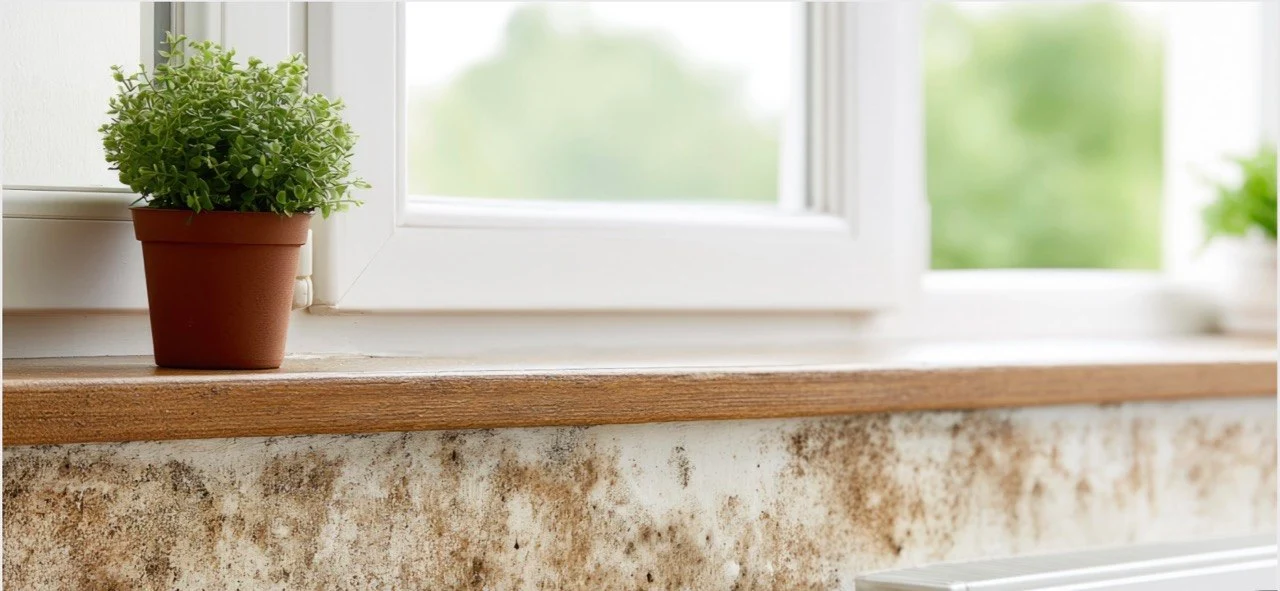
To find hidden mold, start by looking for signs of moisture—not by opening walls or flooring at random.
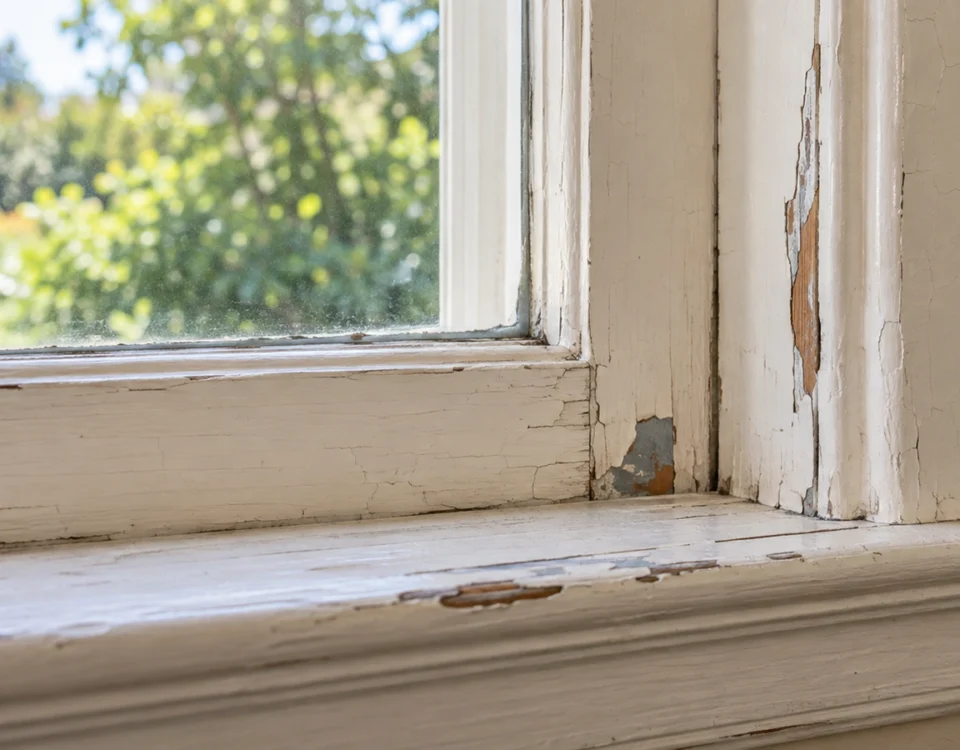
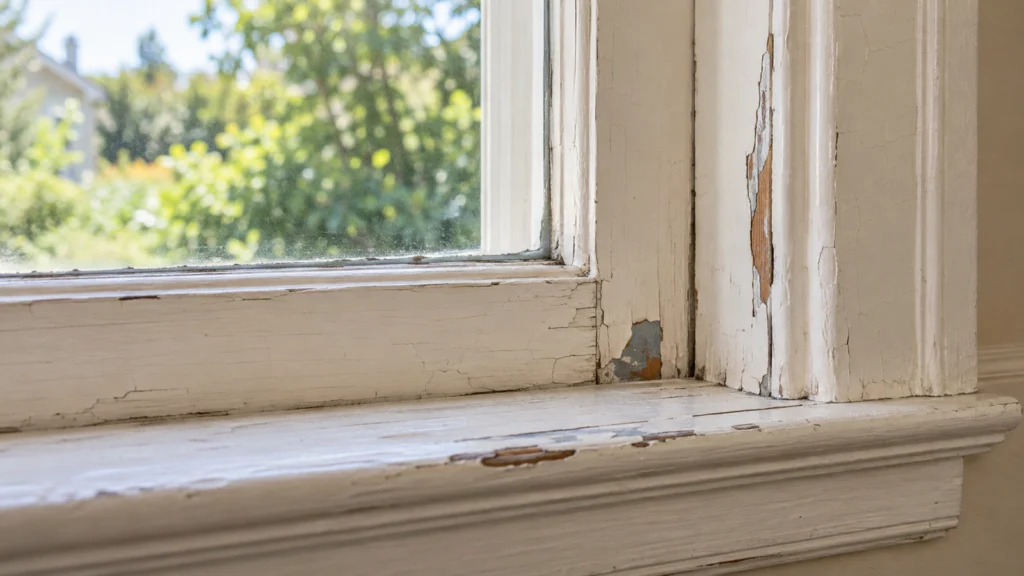
A persistent musty odor, water stains, peeling paint, soft drywall, warped flooring, or recurring surface mold may point to moisture behind a finished material. Follow those clues to nearby plumbing, roofing, windows, appliances, or other possible water sources.
These warning signs can help locate a hidden moisture problem, but they cannot confirm that mold is present behind a wall or beneath a floor.
Where Should You Check First?
Use the location of the odor or damage to narrow down the search.
| What you notice | Where to check first |
| Musty odor near one wall | Baseboards, plumbing, windows, closets, and the wall behind furniture |
| Water stain on a ceiling | Roofing, upstairs plumbing, bathroom fixtures, or HVAC condensation |
| Soft or buckled flooring | Appliances, plumbing fixtures, exterior doors, or previous water damage |
| Odor beneath a sink | Supply lines, drainpipes, cabinet corners, and the cabinet base |
| Odor when the HVAC runs | Condensate pan, drain line, air handler, and accessible duct materials |
| Damp exterior-wall closet | Behind stored items, baseboards, and areas with limited airflow |
Hidden moisture may be present behind furniture and baseboards, inside walls and ceilings, beneath flooring, and near areas affected by leaks or condensation.
What Are the Signs of Hidden Mold?
Look for changes that suggest a material is currently wet or was wet in the past:
- A persistent earthy or musty odor
- Water stains or unexplained discoloration
- Peeling, bubbling, or cracked paint
- Loose wallpaper
- Soft or swollen drywall
- Warped, lifting, or uneven flooring
- Swollen baseboards or cabinet materials
- Damp carpet or padding
- Condensation on windows, walls, or pipes
- Mold that returns after surface cleaning
- Evidence of a previous roof, plumbing, or appliance leak
One warning sign does not prove that hidden mold is present. Several signs appearing in the same area, however, may justify a closer moisture investigation.
The California Department of Public Health identifies moldy odors, water stains, warped flooring, peeling paint, rotting wood, damp surfaces, and condensation as common signs of a mold or moisture problem.
Where Does Hidden Mold Commonly Grow?
Concentrate on locations with current or previous water exposure.
Behind walls, baseboards, and furniture
Moisture may enter a wall through leaking pipes, showers, windows, roofing, siding, or exterior penetrations.
Check for:
- A localized musty odor
- Soft drywall
- Bubbling paint
- Swollen baseboards
- Recurring stains
- Condensation behind furniture
- Damage along exterior walls
Move lightweight furniture when it is safe, but do not remove baseboards or cut into the wall solely to search for mold.
Under sinks and behind appliances
Use a flashlight to check around:
- Supply lines
- Drainpipes
- Garbage disposals
- Dishwashers
- Refrigerators with water lines
- Washing machines
- Water heaters
Look for corrosion, staining, swollen materials, dampness, or an odor that becomes stronger when a cabinet or appliance area is opened.
Do not move a heavy or connected appliance when doing so could cause injury, a gas leak, or water damage.
Beneath flooring and carpet
Water from an appliance, plumbing fixture, exterior door, shower, or previous flood may become trapped beneath finished flooring.
Possible warning signs include:
- Buckling or lifting
- Loose flooring
- Darkened edges
- Soft or uneven areas
- Damp carpet
- An odor concentrated near the floor
EPA guidance identifies the underside of carpet and padding as a common location for concealed mold growth when materials remain damp.
Above ceilings and inside attics
A ceiling stain may be caused by a roof leak, upstairs plumbing problem, bathroom leak, or HVAC condensation.
Notice whether the stain changes after:
- Rain
- Running a shower or fixture
- Using an appliance
- Operating the heating or cooling system
Where attic access is safe, look for stained roof sheathing, damp insulation, plumbing leaks, condensation, or damaged wood.
In crawlspaces
Crawlspace moisture may come from plumbing leaks, standing water, poor drainage, irrigation, or ground moisture.
Look for:
- Damp soil
- Standing water
- Wet insulation
- Stained framing
- Deteriorated wood
- Musty odors entering the home
Do not enter a crawlspace with standing water, unsafe wiring, pests, damaged framing, or insufficient clearance.
Around HVAC equipment
Check accessible areas around the air handler, condensate pan, drain line, supply registers, and return grille.
Moisture problems may also affect porous liners inside ductwork or materials near the equipment. Do not dismantle HVAC components yourself. Opening contaminated equipment can release dust and mold particles into the air.
Can a Moisture Meter Find Hidden Mold?
A moisture meter does not detect mold. It measures moisture in certain building materials.
It may help:
- Compare a suspicious area with a nearby dry area
- Trace moisture around a stain
- Check materials near a plumbing or roof leak
- Determine whether an area remains damp
An elevated reading may identify a location that needs further investigation, but it cannot confirm that mold is present, explain what caused the moisture, or show the full extent of concealed damage.
EPA guidance notes that moisture meters can help investigators locate wet materials where hidden growth may be present.
Can an Infrared Camera See Mold Behind Walls?
No. An infrared camera cannot see mold through a wall.
It detects differences in surface temperature. Under suitable conditions, those differences may point to moisture, missing insulation, air leakage, or another building condition.
A suspicious infrared pattern should be checked with visual observations and moisture readings. It should not be treated as proof of hidden mold.
How Do Professionals Check Inside a Wall?
A professional usually begins by reviewing:
- Where the odor or damage is strongest
- The home’s leak and repair history
- Visible staining or material damage
- Moisture readings
- The location of plumbing and exterior openings
When there is a clear reason to inspect a concealed area, a borescope may be inserted through a small opening. This allows a limited view inside part of a wall or ceiling cavity without removing a large section of material.
EPA identifies borescopes and moisture meters as tools that may help experienced investigators locate hidden moisture and mold.
Should You Open a Wall to Look for Mold?
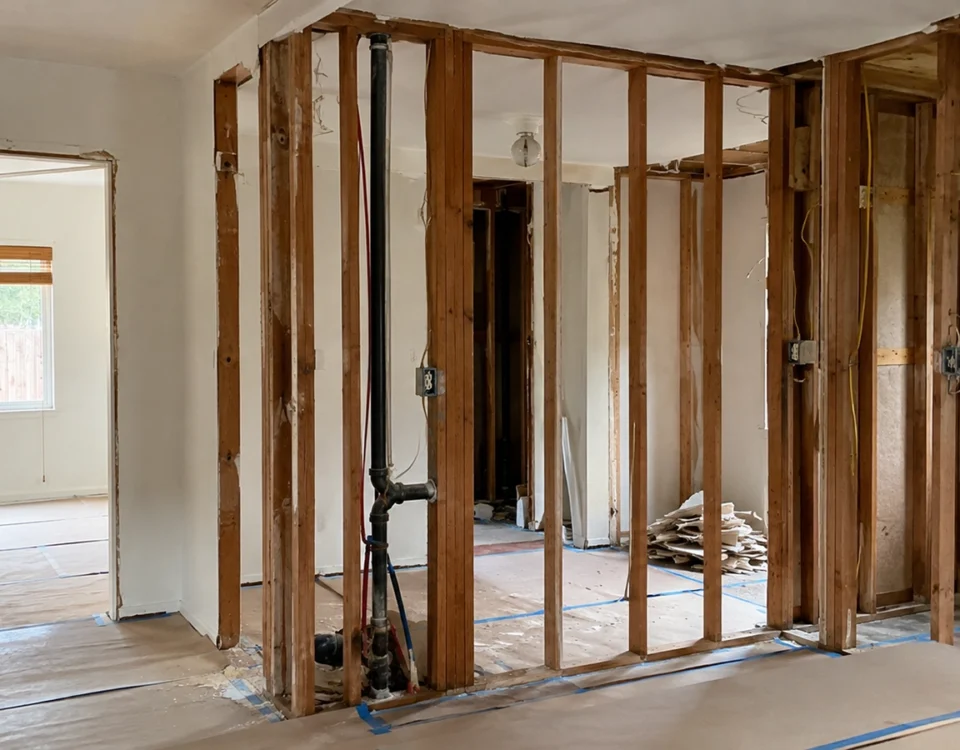
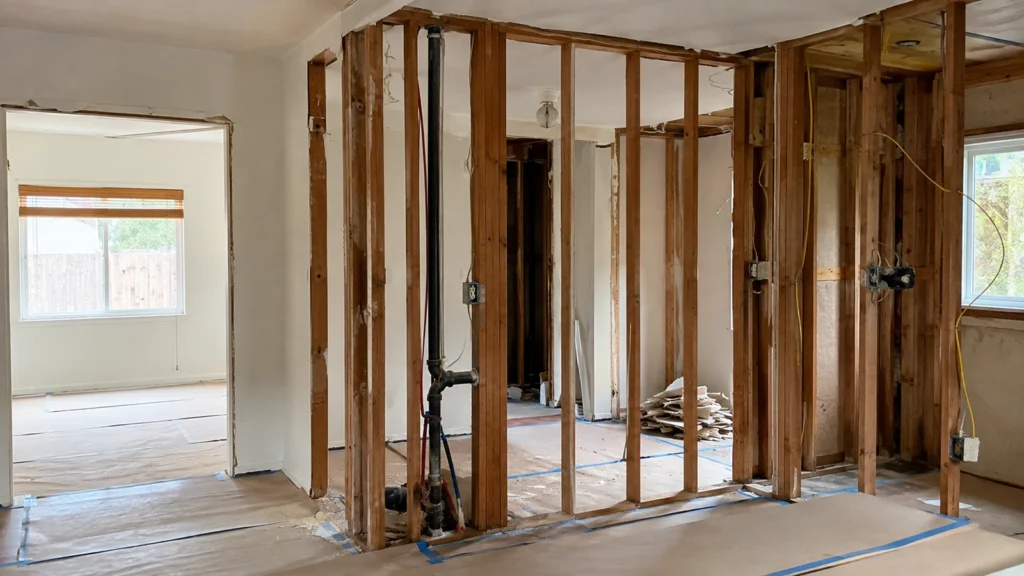
Do not cut into drywall, remove wallpaper, pull up flooring, or dismantle HVAC equipment simply because you suspect mold.
Opening a concealed area without a plan may:
- Spread dust and mold particles
- Damage unaffected materials
- Disturb plumbing or electrical components
- Make the final repair more difficult
EPA cautions that disturbing hidden mold may spread contamination throughout the building.
Further investigation may be appropriate when moisture has been confirmed, materials are visibly damaged, an active leak requires access, or an experienced professional recommends opening a limited area.
Do You Need Mold Testing?
Not always.
When mold, water damage, or a musty odor can already be seen or smelled, locating and correcting the moisture source is usually more useful than identifying the mold species.
California Department of Public Health does not generally recommend routine mold testing when a dampness or mold problem is already apparent. Testing may confirm that mold spores are present, but it usually does not locate the water source or determine how far concealed damage extends.
Testing may be appropriate when a qualified professional has a specific question that the results are intended to answer.
When Should You Contact a Mold or Moisture Professional?
Consider professional mold inspection when:
- A musty odor has no visible source
- Moisture appears to be inside a wall or ceiling
- Mold returns after cleaning
- Several rooms or materials are affected
- Drywall, flooring, or framing is damaged
- The home experienced significant water damage
- HVAC equipment may be involved
- The moisture source cannot be found
- Finished materials may need to be opened
The appropriate professional depends on the likely source. You may need a plumber, roofer, HVAC contractor, licensed contractor, restoration company, or experienced mold and moisture investigator.
Can a Home Inspector Find Hidden Mold?
A standard home inspection may identify visible moisture damage, leaks, musty odors, or other warning signs in accessible areas.
However, a home inspection is visual and non-invasive. The inspector does not normally open walls, remove flooring, dismantle equipment, or guarantee that concealed mold will be found.
Found Mold After Buying the House?
Discovering mold after the purchase has closed can raise questions about immediate cleanup, homeowners insurance, seller disclosures, and the original inspection. Review our guide on what to do if you find mold after buying a house for the next steps, documents to review, and situations in which further professional or legal guidance may be appropriate.
Moisture Concerns in Sacramento-Area Homes
In Sacramento-area homes, moisture concerns may develop around plumbing fixtures, roof penetrations, windows, exterior walls, crawlspaces, irrigation-adjacent areas, and rooms with limited ventilation.
The source is not always located directly beside the visible stain or odor. Water can move through framing, insulation, flooring, and other materials before the damage becomes noticeable.
Following the moisture pattern is usually more helpful than searching randomly or opening finished materials without a clear reason.
The Bottom Line
The best way to find hidden mold is to follow the evidence of moisture:
- Identify where a musty odor is strongest.
- Look for stains, soft materials, peeling paint, or warped flooring.
- Check nearby plumbing, appliances, windows, ceilings, attics, and crawlspaces.
- Use moisture readings to narrow down suspicious areas.
- Avoid opening finished materials without a clear reason.
- Contact an appropriate professional when the source or extent remains unclear.
Good Life Inspections provides clear, photo-documented evaluations of visible and accessible property conditions throughout the Sacramento area. A standard inspection cannot guarantee that hidden mold will be found, but it may identify moisture damage, leaks, or other conditions that require further evaluation.
Frequently Asked Questions
What is the most common sign of hidden mold?
A persistent musty odor with no visible source is a common warning sign. Water staining, soft drywall, peeling paint, warped flooring, recurring surface mold, and evidence of a previous leak may also point to concealed moisture.
No single sign confirms that mold is present behind a finished surface. Several related signs in the same area may justify further investigation.
Can you tell if mold is behind drywall?
You cannot confirm mold behind drywall from the surface alone. A localized odor, elevated moisture readings, soft drywall, recurring stains, bubbling paint, or a known leak may indicate that further investigation is needed.
Do not cut into the wall solely to look for mold. A qualified professional can determine whether limited access or another evaluation method is appropriate.
Can a moisture meter detect mold?
No. A moisture meter measures moisture in certain building materials; it does not detect mold.
It can help identify damp materials or compare a suspicious area with a nearby dry area. An elevated reading may show that further investigation is needed, but it cannot confirm the presence or extent of concealed mold.
Can an infrared camera find mold behind a wall?
No. An infrared camera cannot see mold through walls.
It identifies surface temperature differences that may be associated with moisture, air leakage, missing insulation, or another building condition. Suspicious temperature patterns should be compared with visual observations and moisture readings before conclusions are made.
Should I open a wall if I suspect hidden mold?
Do not open a wall simply because you notice an odor or suspect mold. Cutting into drywall without a clear plan may spread particles, damage unaffected materials, or disturb hidden plumbing and electrical components.
Opening a limited area may be appropriate when moisture has been confirmed, visible damage requires repair, or an experienced professional recommends further investigation.