
Dry rot often stays hidden until repairs become costly. Whether it’s minor trim damage or a larger structural issue, knowing the repair cost helps you act quickly.
This 2026 guide covers typical dry rot repair costs in Sacramento, key pricing factors, urgency, and when to schedule an inspection.
Dry Rot Repair Cost in Sacramento
The cost of fixing dry rot can vary widely depending on the extent of the damage, the location of the affected wood, how easy it is to access, and whether structural repairs are needed.
Here is a general 2026 cost breakdown:
| Damage level | Typical cost range | Common examples |
|---|---|---|
| Minor dry rot repair | $500–$1,500 | Window sills, trim, fascia, small surface-level wood damage |
| Moderate dry rot repair | $2,000–$5,000 | Siding, deck boards, localized beams, door frames, larger exterior wood sections |
| Severe or structural repair | $5,000–$10,000+ | Joists, subfloor, roof-edge framing, porches, decks, or widespread wood damage |
Very small, easy-to-access repairs may cost less, while structural repairs or hidden damage can cost more. In Sacramento and nearby areas, the final dry rot repair cost depends on severity, access, material type, moisture source, damage location, and whether load-bearing wood must be replaced.
Tip: Catching dry rot early is one of the best ways to keep repair costs lower. A Sacramento home inspection, termite inspection, or dry rot inspection can help identify the visible damage and the conditions causing it.

Signs of Dry Rot and Early Indicators
Recognizing the signs of dry rot early can save time, money, and stress. Here’s what to look for:
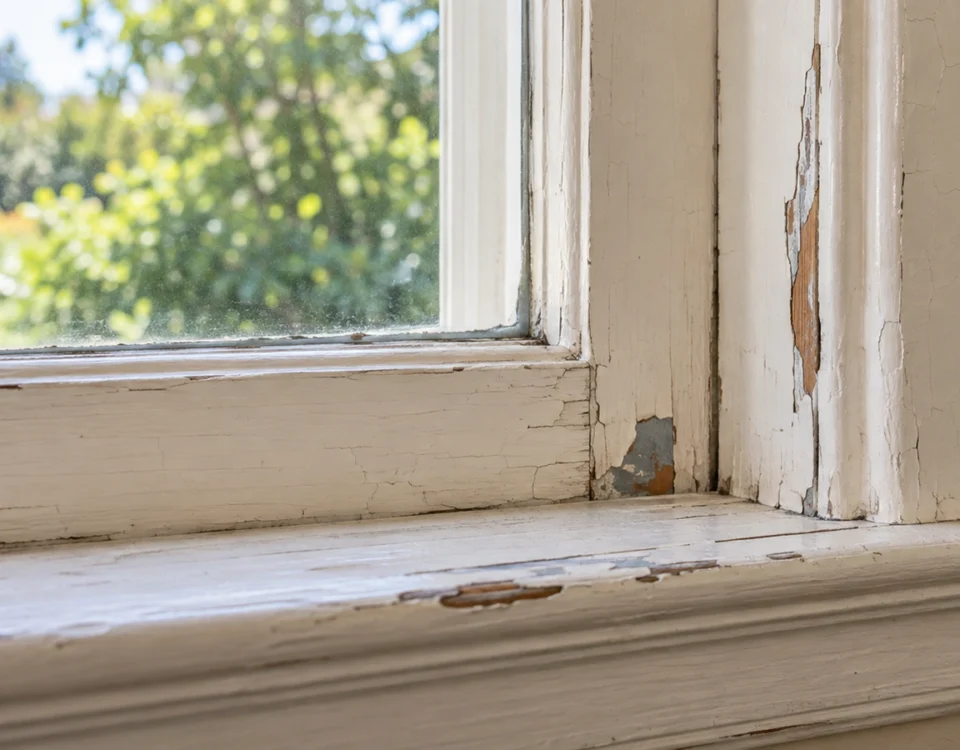
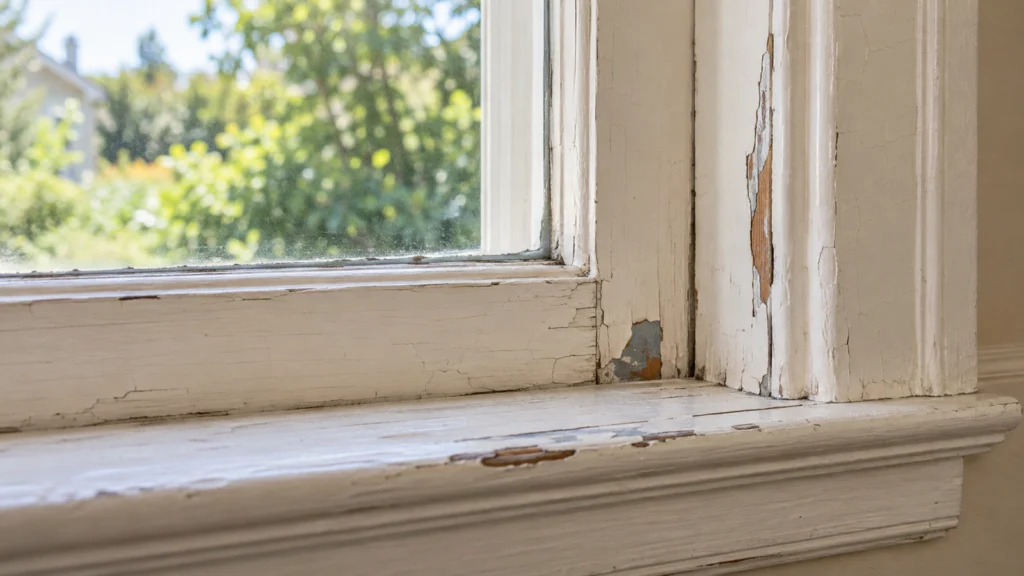
- Discoloration: Wood may appear darker, lighter, stained, or sunken compared with nearby areas.
- Brittle or crumbling wood: Dry rot often causes wood to break apart, flake, or crumble.
- Soft or spongy areas: Wood may feel weak when pressed or probed.
- Fungal growth: You may see cotton-like growth, gray strands, or reddish-orange spore dust.
- Musty odor: A damp, earthy smell can be a warning sign, especially in poorly ventilated areas.
- Shrunken or cracked wood: Damaged wood may split, shrink, or develop a cracked, block-like pattern.
- Paint or caulk failure: Bubbling paint, peeling trim, or repeated caulk separation may point to moisture behind the surface.
Dry rot is especially common around areas where wood and moisture meet, including windows, doors, siding, decks, roof edges, crawl spaces, bathrooms, kitchens, and exterior trim.
What Does Dry Rot Look Like on Wood?
Dry rot can be identified by several visual clues:
- Surface texture: Wood may look blistered, cracked, flaky, or uneven.
- Color changes: Affected areas may appear brown, orange, yellow, gray, or darker than surrounding wood.
- Softness: Rotted wood often feels spongy or weak when pressed.
- Fruiting bodies: In advanced cases, dry rot can produce mushroom-like growths.
- Hollow sounds: Tapping the wood may reveal hollow or weakened areas beneath the surface.
To identify dry rot, inspect moisture-prone areas carefully. Look near roof leaks, plumbing leaks, poor drainage, exterior wood trim, crawl spaces, decks, and areas with poor ventilation. If the wood is load-bearing or the damage appears widespread, schedule a professional inspection before attempting repairs.
Wet Rot vs. Dry Rot: Two Different Fungi, Two Different Risks
Dry rot and wet rot are not the same fungus, even though both are sometimes called “dry rot” in casual conversation. Knowing which one is affecting your home changes how urgently you need to act.
- Wet rot (Coniophora puteana) only spreads through timber that stays wet — roughly 50% moisture content or higher. It typically starts as small, soft, dark-brown patches and stays contained to the specific wet area. Once the moisture source is fixed, wet rot generally stops spreading.
- Dry rot (Serpula lacrymans) is the more serious of the two. It can keep spreading through structural timber even where the wood is only partially damp, because the fungus carries moisture with it as it grows. Dry rot breaks down the cellulose and hemicellulose in wood, leaving it dry, spongy, and structurally unreliable — which is also why wood damaged by true dry rot typically cannot be treated and must be replaced.
Sacramento’s climate is part of why dry rot shows up as often as it does in local homes: this fungus thrives in temperatures below about 80°F, which describes most of the Sacramento Valley outside of peak summer — especially in shaded crawl spaces, north-facing siding, and enclosed attics.
Because dry rot and wet rot look similar to the untrained eye — and both can be confused with termite damage — a physical inspection is the only reliable way to tell them apart before you pay for repairs.
Where Dry Rot Most Often Hides in Sacramento Homes
In our inspection experience, dry rot concentrates in a few predictable places. Checking these areas first can catch a problem before it becomes a five-figure repair:
| Location | Why It’s Vulnerable | What to Look For |
|---|---|---|
| Roof decking and edges | Small roof leaks often go unnoticed until the wood underneath is already compromised | Soft spots when walked on, sagging roof lines, discoloration on the underside of decking |
| Around windows and doors | Failed caulking and flashing let moisture into the frame every time it rains | Paint that bubbles or cracks near the frame, doors/windows that stick or don’t seal, visible gaps |
| Poorly ventilated attics | Warm, moist air from living spaces below condenses on cold roof sheathing when airflow is inadequate | Musty odor, visible moisture staining on rafters, stored items that feel damp |
Any of these signs is a reason to schedule a home inspection rather than waiting for the damage to become visible from the outside.
What Affects the Cost of Dry Rot Repair?
Several factors influence the total dry rot repair cost.
Extent of Damage
Small, isolated areas are usually less expensive to repair than widespread rot. The deeper the decay has traveled, the more labor and replacement material may be needed.
Location of the Rot
Dry rot around window trim or fascia is usually easier to access than rot in crawl spaces, subflooring, roof framing, decks, porches, or structural beams. Hard-to-reach areas often increase labor costs.
Structural vs. Cosmetic Damage
Surface-level trim damage may be repaired or replaced more simply. Structural wood, such as joists, beams, rim boards, posts, or subflooring, usually requires more careful assessment and repair.
Moisture Source
Dry rot repair is not just about replacing damaged wood. The moisture source must also be corrected. Roof leaks, plumbing leaks, drainage issues, poor ventilation, failed flashing, or wood-to-ground contact can all increase the total scope.
Materials and Finishes
Costs can vary based on lumber type, siding material, trim profile, paint, waterproofing, flashing, and whether the repair needs to match existing finishes.
Labor and Access
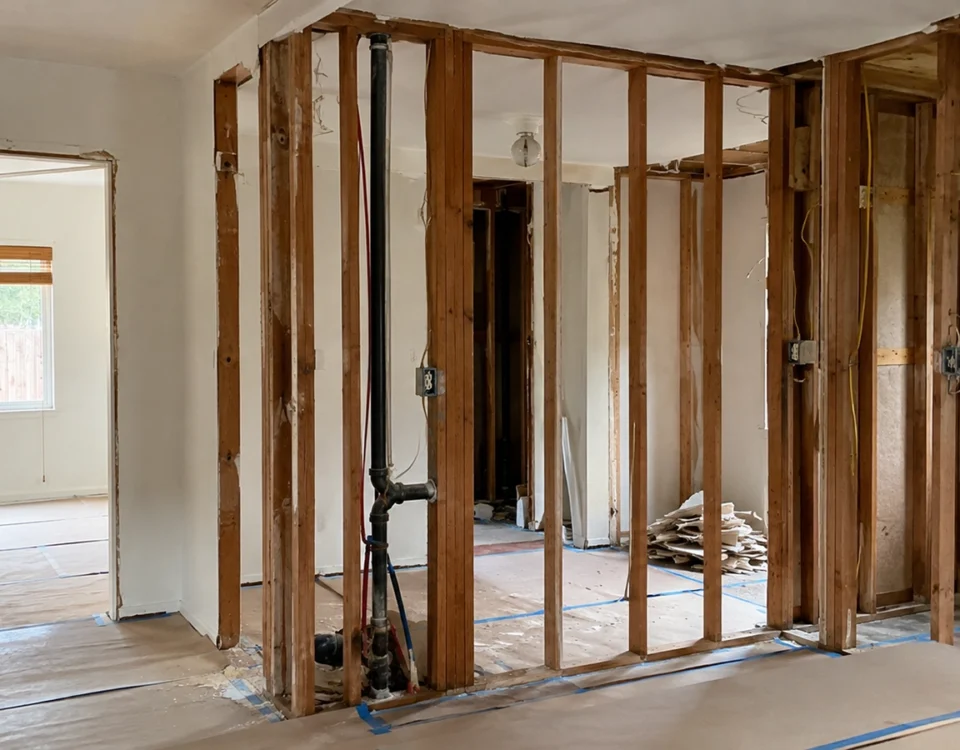
Repairs that require demolition, elevated work, crawlspace access, or removal of surrounding finishes usually cost more than open, easily accessible repairs.
Dry Rot Repair Cost by Affected Area
Costs vary by home and project, but these are common areas where Sacramento homeowners find dry rot:
| Affected area | Cost impact |
| Window sills and trim | Often lower cost if damage is limited |
| Fascia, soffits, and roof edges | Can increase if roof leaks or gutter issues are involved |
| Siding and corner boards | Depends on how far moisture has spread behind the surface |
| Deck boards and railings | Can range from simple board replacement to major framing repair |
| Porches and stairs | Higher if posts, supports, or framing are weakened |
| Crawl spaces and subflooring | Often higher because access and structural concerns matter |
| Beams, joists, and framing | Usually more expensive because repairs may be structural |
The only way to know the true cost to repair dry rot in a house is to inspect the damage, identify the moisture source, and confirm whether the affected wood is cosmetic or structural.
Is Dry Rot a Fungus?
Yes. Dry rot is a form of wood decay caused by fungi. Despite the name, dry rot still needs moisture to develop. It often appears in damp, poorly ventilated areas where wood has stayed wet long enough for decay to begin.
Dry rot breaks down the wood fibers that give lumber its strength. That is why the repair should address both the damaged wood and the moisture condition that allowed the rot to develop.
Dry Rot vs. Wood Rot vs. Termite Damage
Homeowners often use “dry rot” and “wood rot” interchangeably. In practical terms, both refer to moisture-related wood decay. Termite damage is different because termites are insects that consume wood.
However, dry rot, termite damage, fungus, and other wood-destroying organisms can all affect the safety and value of a home. In real estate transactions, a termite or WDO inspection may identify wood-destroying pests, fungi, dry rot, and related damage.
If you are buying, selling, managing, or representing a property, it is important to know whether the damage is caused by moisture, fungus, termites, or a combination of issues. The repair plan can be different depending on the cause.
Can a House Be Saved from Dry Rot?
Yes. In many cases, a house with dry rot can be repaired, especially when the problem is found early and the moisture source is corrected.
A proper repair plan may include:
- Inspecting visible and nearby wood damage
- Identifying the source of moisture
- Removing damaged material
- Replacing or repairing affected wood
- Treating adjacent areas when appropriate
- Improving ventilation, drainage, flashing, or waterproofing
- Repainting or sealing repaired areas
The sooner dry rot is inspected, the easier it is to understand the true scope and prevent additional damage.
Can Dry Rot Wood Be Repaired?
In some cases, yes. If the damage is minor and superficial, small areas may be repaired with wood hardeners, fillers, epoxy, or localized replacement.
However, structural wood affected by dry rot usually needs to be replaced. This includes damaged framing, joists, beams, posts, subflooring, deck supports, or other load-bearing components.
A professional should evaluate the area before repair if:
- The wood feels soft or spongy
- The damage is near structural framing
- The rot is near a deck, balcony, porch, roof, or crawl space
- The moisture source is unknown
- The home is in escrow or being prepared for sale
Can I Treat Dry Rot Myself?
Minor surface-level repairs may be manageable for experienced homeowners, but DIY dry rot repair has limits.
For small, non-structural areas, the basic process may include:
- Remove visibly damaged wood.
- Dry the area and correct the moisture source.
- Treat surrounding wood when appropriate.
- Repair or replace the damaged section.
- Prime, seal, paint, and maintain the area.
DIY repair is not recommended for load-bearing wood, hidden damage, recurring moisture problems, decks, subfloors, beams, or repairs connected to a real estate transaction.
Mistakes can make the final repair more expensive if the moisture source is missed or damaged wood is covered instead of removed.
How Urgent Is Dry Rot?
Dry rot should be addressed promptly. It does not always mean your home is unsafe today, but it can become more expensive the longer moisture and decay are allowed to continue.
Delaying inspection or repair can lead to:
- Higher repair costs
- More damaged wood
- Larger repair areas
- Safety concerns around decks, stairs, floors, or framing
- Negotiation issues during a home sale
- Lower buyer confidence
- Recurring moisture problems
If you see soft wood, crumbling trim, fungal growth, musty odors, or repeated paint failure, schedule an inspection before the damage spreads.
Common Questions About Dry Rot Repair
How Do I Identify Dry Rot?
Look for cracked, brittle, soft, discolored, shrunken, or crumbling wood. You may also notice fungal growth, reddish-orange dust, musty odors, bubbling paint, or hollow-sounding areas.
If the damage is near a roof edge, crawl space, window, deck, porch, or plumbing area, an inspection can help determine how far the decay has spread.
What Causes Dry Rot?
Dry rot is caused by moisture and wood-decay fungi. Common causes include roof leaks, plumbing leaks, poor drainage, failed flashing, poor ventilation, earth-to-wood contact, and exterior wood that is not properly sealed or maintained.
How Can I Prevent Dry Rot?
Fix leaks quickly, maintain gutters and downspouts, improve attic and crawl space ventilation, maintain exterior paint and caulking, and keep soil, mulch, and plants away from siding. In addition:
- Have your roof inspected periodically to confirm flashing and drainage are still doing their job
- Check window and door seals during routine home maintenance, not just when you notice a problem
- Keep crawl space vents clear and unobstructed year-round
Schedule an inspection any time you notice a musty smell, discolored or soft wood, or paint failure near an exterior wall — early detection is what keeps a repair in the hundreds of dollars instead of the thousands.
Is Dry Rot the Same as Termite Damage?
No. Dry rot is moisture-related fungal wood decay. Termite damage is caused by insects. Both can weaken wood, and both may require professional evaluation, especially during a real estate transaction.
Do I Need an Inspection Before Dry Rot Repair?
Yes, in most cases. An inspection helps determine the scope of damage, whether the wood is structural, what caused the moisture problem, and what repair approach is appropriate.
This is especially important for buyers, sellers, property managers, and REALTORS® who need clear documentation before making repair or negotiation decisions.
Why Choose Professional Dry Rot Repair Services?
Professional dry rot repair helps protect your home by addressing both the visible damage and the condition that caused it.
Good Life Inspections can help with dry rot inspections, termite inspections, home inspections, and repair guidance for Sacramento-area homes. Our team understands common wood damage issues in local homes, including exterior trim damage, roof-edge rot, siding damage, deck rot, crawlspace concerns, and WDO-related findings.
Professional help is especially valuable when:
- The damage may be structural
- The repair affects a real estate transaction
- The moisture source is unclear
- The damage is hidden behind siding, flooring, or trim
- The property needs a clear inspection report
- You want repairs handled correctly the first time
To learn more, visit our dry rot repair services page or schedule an inspection with Good Life Inspections.
Final Thoughts: Don’t Let Dry Rot Damage Your Home
Dry rot repair cost can range from a small repair to a major structural project. The difference often comes down to how early the problem is found, how accessible the damaged wood is, and whether the moisture source has been corrected.
If you are concerned about dry rot in Sacramento, Roseville, Rocklin, Folsom, Elk Grove, West Sacramento, Davis, Woodland, Rancho Cordova, Lincoln, Auburn, or a nearby community, Good Life Inspections can help you understand what is happening and what to do next.
Summary of FAQs
- How expensive is it to fix dry rot? Many repairs range from $500–$5,000, while structural repairs can exceed $10,000.
- How much does it cost to cure dry rot? The cost depends on treatment, wood replacement, access, moisture correction, and severity.
- Can a house be saved from dry rot? Yes, especially when the issue is inspected and repaired promptly.
- Can I treat dry rot myself? Only for minor, non-structural damage.
- Can dry rot wood be repaired? Sometimes, but structural wood usually needs replacement.
- How urgent is dry rot? It should be inspected promptly to limit damage and repair costs.
Need help understanding dry rot repair cost near you? Contact Good Life Inspections to request an inspection and get clear next steps.