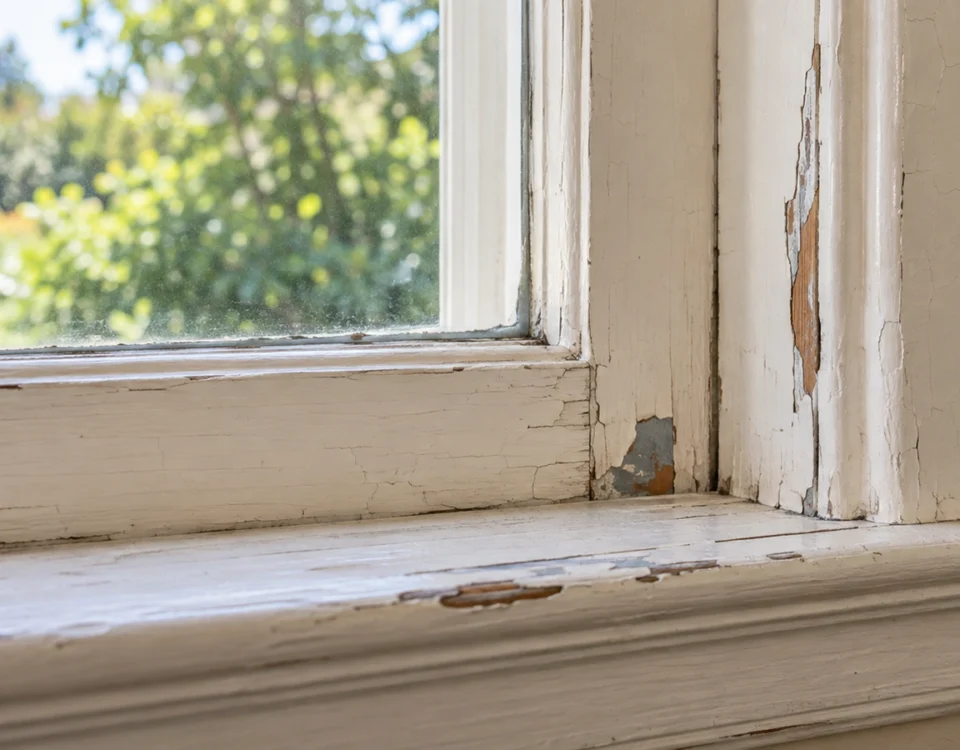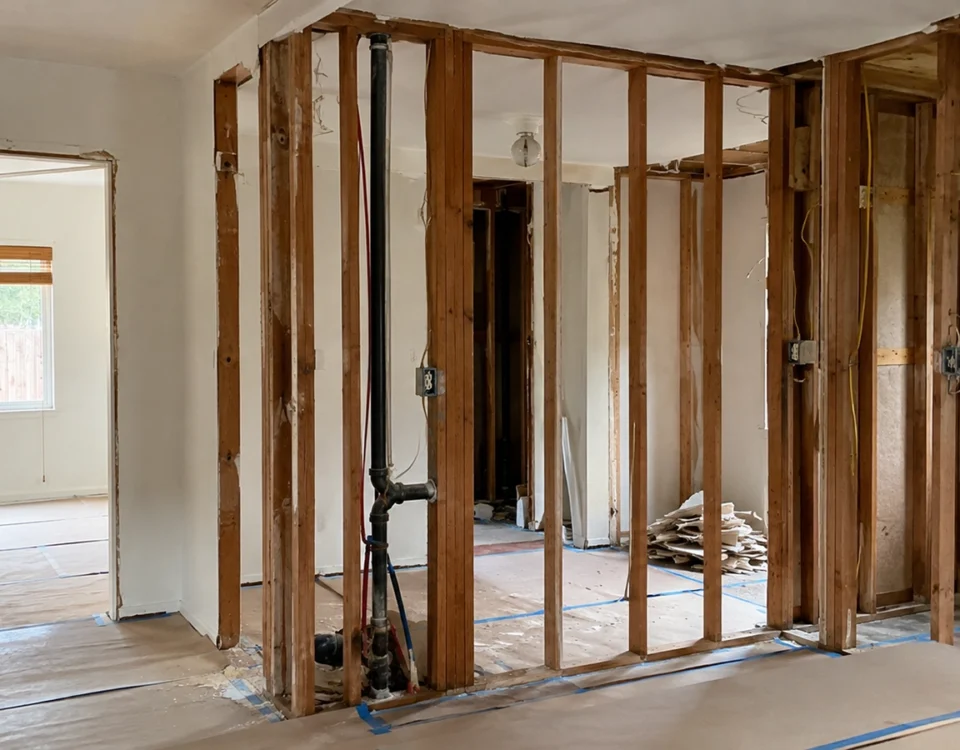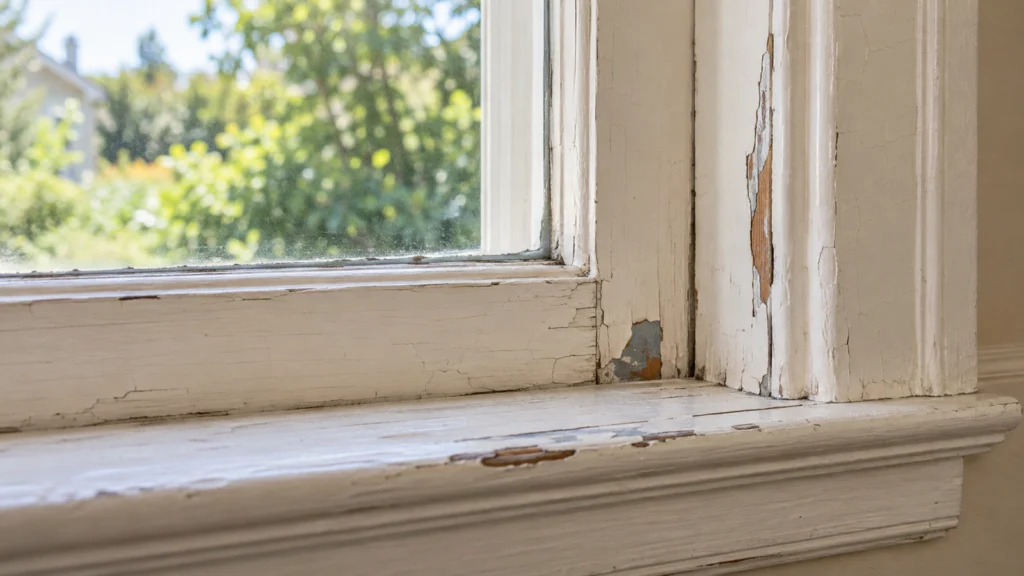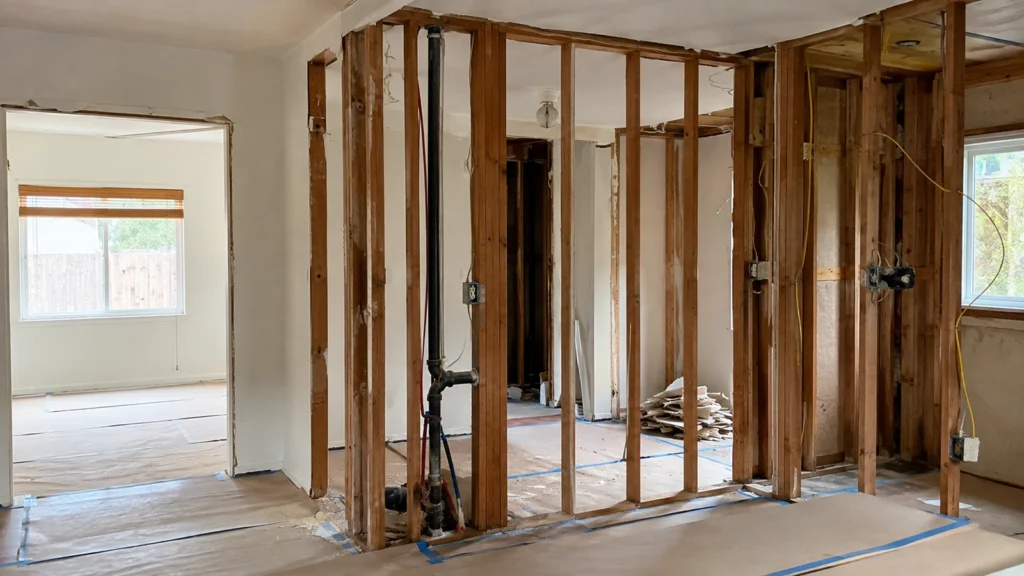

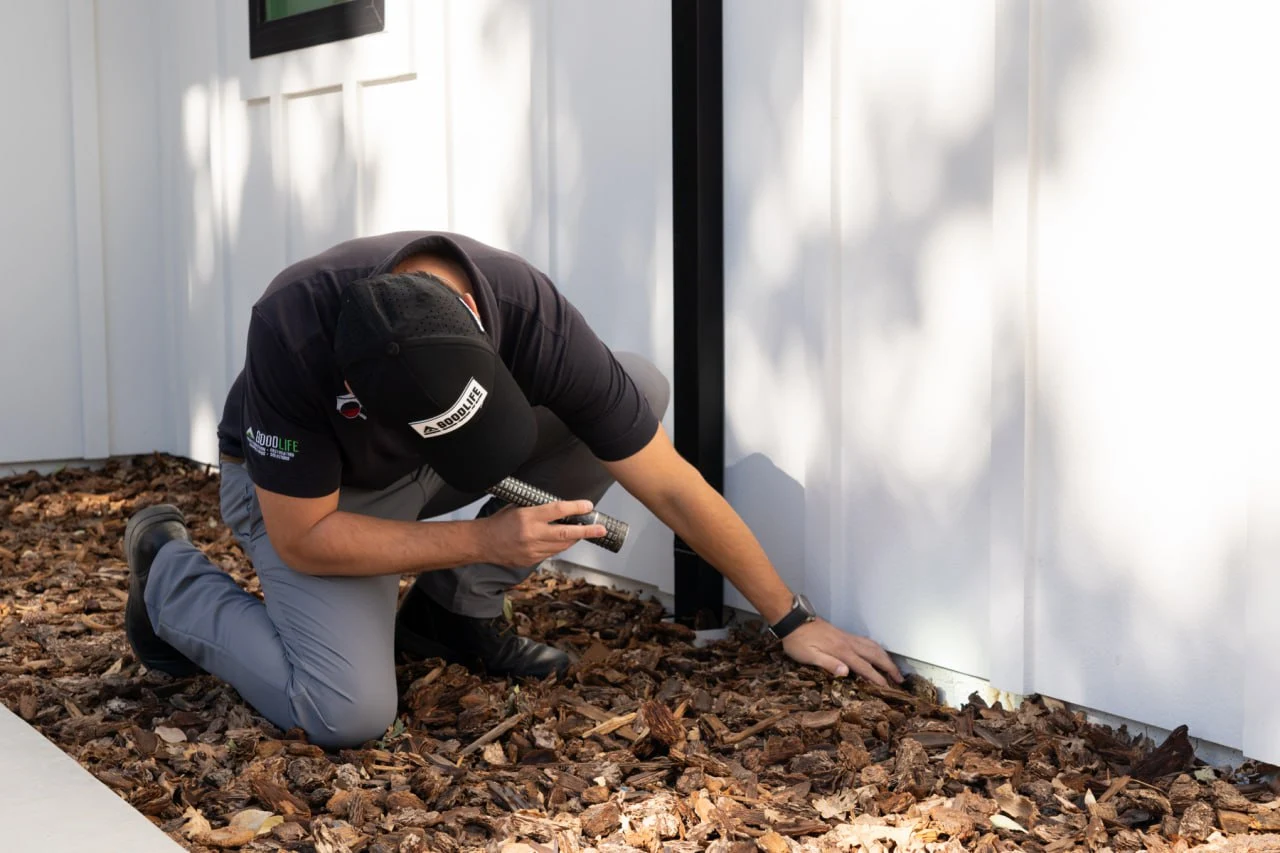
Termite damage can be hard to spot because termites often hide inside wood, walls, floors, and crawl spaces.
If you notice mud tubes, hollow wood, frass, discarded wings, or damaged trim, schedule a termite inspection with Good Life Inspections in Sacramento to confirm whether the damage is active, old, termite-related, or caused by another wood-destroying organism.
Quick Answer: What Are the Signs of Termite Damage?
The most common signs of termite damage include:
- Mud tubes on foundation walls, crawl spaces, or exterior surfaces
- Hollow-sounding wood
- Damaged, soft, blistering, or cracked wood
- Stuck doors or windows
- Small piles of termite droppings, also called frass
- Discarded wings near windows, doors, or light fixtures
- Flying termite swarmers
- Bubbling paint or drywall damage
- Sagging floors
- Damaged baseboards, trim, siding, decks, or fascia boards
Seeing one of these signs does not always mean there is an active termite infestation. Some damage may be old, moisture-related, dry rot-related, or caused by another wood-destroying organism.
The best next step is to have the area inspected before making repairs or relying only on online photos.
Think You See Signs of Termite Damage?
If you found suspicious wood damage, do not guess. A termite or WDO inspection can help answer important questions:
- Is it termite damage?
- Is the activity active or old?
- Is the damage related to moisture or dry rot?
- Is another wood-destroying organism involved?
- Are repairs needed?
- Could this affect a real estate transaction?
Good Life Inspections can inspect the visible and accessible areas of the property and explain the findings clearly.
What Termite Damage Means
Termite damage happens when termites feed on wood or other cellulose materials in or around a home.
Damage may appear in:
- Wood trim
- Baseboards
- Door frames
- Window frames
- Subflooring
- Crawl space framing
- Deck boards
- Siding
- Fascia boards
- Garage framing
- Attic or roof framing
In Sacramento homes, termite concerns are often found near crawl spaces, older wood framing, exterior trim, decks, siding, fascia, and areas with moisture issues or wood-to-soil contact.
Termite damage can also look similar to dry rot, moisture damage, carpenter ant damage, or other wood-destroying organism damage. That is why a professional inspection is important.
Visible Signs of Termite Damage
1. Mud Tubes
Mud tubes are one of the most common visible signs of subterranean termite activity.
They often look like narrow dirt tunnels and may be found on:
- Foundation walls
- Crawl space piers
- Garage walls
- Exterior walls
- Plumbing openings
- Areas where wood touches soil
Subterranean termites use mud tubes to travel between soil and wood. The tubes help protect them while they move.
Mud tubes should always be checked by a professional. They may be active, old, or part of a previous termite issue.
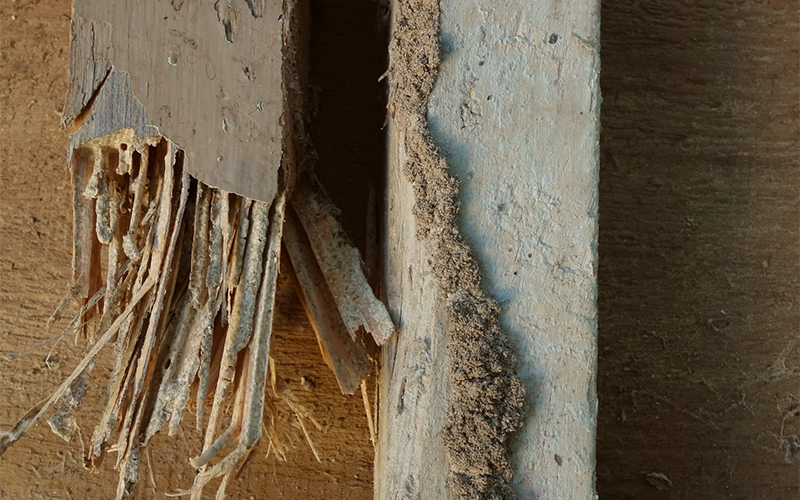
1. Mud Tubes
Mud tubes are one of the most common visible signs of subterranean termite activity.
They often look like narrow dirt tunnels and may be found on:
- Foundation walls
- Crawl space piers
- Garage walls
- Exterior walls
- Plumbing openings
- Areas where wood touches soil
Subterranean termites use mud tubes to travel between soil and wood. The tubes help protect them while they move.
Mud tubes should always be checked by a professional. They may be active, old, or part of a previous termite issue.
2. Hollow-Sounding Wood
Wood that sounds hollow when tapped can be a sign of termite damage in wood.
This happens when termites eat the inside of the wood while the outside surface still looks mostly normal.
Common places to check include:
- Baseboards
- Door frames
- Window trim
- Deck boards
- Fascia boards
- Crawl space wood
- Wood siding
Hollow-sounding wood does not always mean termites are active. It can also be caused by old repairs, moisture damage, or normal construction gaps. An inspection can help confirm the cause.
3. Damaged, Soft, or Blistering Wood
Termite-damaged wood may look damaged on the surface or feel weak when touched.
You may notice:
- Soft wood
- Blistering wood
- Cracked or layered wood
- Wood that breaks apart easily
- Maze-like tunnels inside the wood
- Wood that looks thin or papery
- Dark or stained areas
This type of damage is common around trim, siding, decks, fascia, and crawl space framing. These areas are also exposed to moisture, so the damage may need to be checked for both termites and wood decay.
4. Stuck Doors or Windows
Doors and windows can stick for many reasons, including humidity, settling, paint buildup, or framing movement.
However, stuck doors or windows can also be a warning sign when nearby wood is damaged.
Check around:
- Door frames
- Window frames
- Baseboards
- Exterior trim
- Garage entry doors
If a door or window suddenly becomes hard to open and you also see wings, frass, bubbling paint, or soft wood nearby, schedule an inspection.
5. Frass or Termite Droppings
Frass is termite droppings. It is often connected with drywood termites.
It may look like:
- Small piles of sand
- Sawdust
- Coffee grounds
- Tiny dry pellets
- Wood-colored grains
You may find frass near:
- Windows
- Baseboards
- Door frames
- Cabinets
- Floors
- Attic spaces
- Garage areas
Frass can be confused with sawdust, dirt, or carpenter ant debris. A termite inspector can help identify what it is and whether it points to termite activity.
6. Discarded Wings
Discarded wings are another possible sign of termite activity.
You may find them near:
- Windows
- Sliding doors
- Light fixtures
- Baseboards
- Garage floors
- Interior corners
Termite swarmers shed their wings after they leave a colony. A few wings do not always confirm active termites inside the home, but they should not be ignored.
7. Swarmers
Swarmers are winged termites that leave a colony to start a new one.
They may appear near:
- Windows
- Lights
- Doors
- Exterior walls
- Garages
- Patios
Swarmers are sometimes confused with flying ants. If you see flying insects indoors, especially near windows or lights, it is smart to have them checked.
Indoor swarmers can be more concerning than outdoor swarmers because they may point to activity inside or close to the structure.
8. Bubbling Paint or Drywall Damage
Termite activity can sometimes look like water damage.
You may notice:
- Bubbling paint
- Peeling paint
- Small wall pinholes
- Wavy drywall
- Soft wall areas
- Dirt-like marks on walls
- Sunken lines under painted surfaces
This does not always mean termites are present. Moisture problems, leaks, and dry rot can look similar. A professional inspection can help separate termite concerns from moisture-related damage.
9. Sagging Floors or Damaged Trim
More advanced termite damage may affect visible finishes or flooring.
Watch for:
- Sagging floors
- Weak or squeaky flooring
- Damaged baseboards
- Crumbling trim
- Soft door frames
- Loose flooring
- Damaged subfloor areas
These signs can also be caused by dry rot, moisture, settlement, or old repairs. If you see these problems, especially in an older Sacramento home or crawl space property, schedule an inspection.
Early Signs of Termite Damage
Early signs of termite damage are usually subtle.
Look for:
- Small mud tubes
- A few discarded wings
- Small piles of frass
- Minor blistering on wood
- Light bubbling paint
- Soft spots in trim
- Slight sticking doors or windows
The earlier termite activity is found, the easier it is to understand the issue and decide what to do next.
Visible Signs vs Confirmed Termite Infestation
Visible signs are clues. They are not the same as a confirmed infestation.
For example:
- Mud tubes may be old or active.
- Frass may be confused with sawdust or debris.
- Damaged wood may be caused by termites, dry rot, or moisture.
- Bubbling paint may come from leaks or termite activity.
- Swarmers may be termites or flying ants.
Online photos can help you compare what you are seeing, but they should not be the only way you decide what is happening.
A termite or WDO inspection can provide a clearer answer.
Signs of Old vs Active Termite Damage
Many homeowners ask, “Is this old termite damage, or do I still have termites?”
The answer usually requires an inspection.
Possible signs of active termite activity include:
- Live termites
- Fresh mud tubes
- Mud tubes that are rebuilt after being broken
- New frass piles
- Recent swarmers or wings indoors
- Wood damage that appears to be spreading
- Moisture conditions that support termite activity
Possible signs of old termite damage include:
- Dry, inactive-looking mud tubes
- Old damaged wood with no live insects found
- Previous repair marks
- No new wings, frass, or activity
- Records of past treatment or repair
Old termite damage can still matter. Even if termites are no longer active, damaged wood may still need repair, especially during a home sale or real estate transaction.
Which Type of Termite Is Damaging Your Home?
Sacramento’s climate supports more than one type of wood-destroying organism, and the type present can affect both urgency and treatment approach:
| Type | Where They Live | Seasonal Pattern |
|---|---|---|
| Subterranean termites | Live in soil, surface only to feed on wood or start new colonies | Most common type found in Sacramento; swarms typically peak in spring, often following rain |
| Drywood termites | Live inside the wood they infest, without soil contact | More active in Sacramento’s dry fall months |
| Wood-boring beetles | Similar dry-wood-dwelling pattern to drywood termites | Also more prevalent in drier conditions |
A licensed inspector identifies which type is present as part of a termite/WDO inspection — this matters because subterranean and drywood infestations are typically treated differently (see our termite prevention and treatment guide).
What to Do If You Suspect Termite Damage
Finding a possible sign of termite damage doesn’t require an immediate emergency response, but it does call for a few concrete next steps:
- Schedule an inspection with a Structural Pest Control Board-certified inspector. Termite/WDO inspection and reporting in California is a regulated activity.
- Clear access to inspection areas beforehand. Move stored items away from garages, crawl space entries, and attic access points.
- Understand how your inspection report is organized. A standard WDO report generally separates findings into active infestation/damage, conducive conditions, and items needing further investigation. See our guide to reading your WDO inspection report.
Where to Check for Termite Damage
You can do a basic visual check around your home, but avoid tearing into walls or damaging suspected areas before an inspection.
Exterior areas to check:
- Foundation walls
- Siding
- Fascia boards
- Eaves
- Decks
- Porch framing
- Garage framing
- Wood trim
- Fence posts near the home
- Areas where soil touches wood
- Areas with poor drainage
Interior areas to check:
- Windows
- Doors
- Baseboards
- Cabinets
- Closets
- Hardwood floors
- Laundry rooms
- Bathrooms
- Garage walls
- Areas with past leaks
Crawl space areas to check:
- Foundation walls
- Piers
- Floor joists
- Subfloor framing
- Sill plates
- Plumbing openings
- Moisture areas
- Wood-to-soil contact
- Mud tubes
Crawl spaces are important because termite activity can stay hidden there for a long time.
Why Termite Damage Can Be Hard to Notice Early
Termite damage can be hard to see because termites often work in hidden areas.
They may be active:
- Inside walls
- Under floors
- Behind baseboards
- Inside door frames
- Behind siding
- In crawl spaces
- In attic or roof framing
By the time damage is visible, the issue may have been present for some time. That does not mean every situation is severe, but it does mean the area should be inspected.
When to Schedule a Termite Inspection
Schedule a termite inspection if you notice:
- Mud tubes
- Hollow wood
- Frass
- Discarded wings
- Swarmers indoors
- Soft or damaged trim
- Bubbling paint
- Stuck doors or windows with nearby damage
- Sagging floors
- Crawl space concerns
- Termite damage found during repairs
- Concerns before buying or selling a home
You should also consider an inspection if the home is older, has a crawl space, has moisture issues, or has wood siding, decks, fascia, or exterior trim exposed to weather.
What Happens During a Termite Inspection?
During a termite inspection, the inspector checks visible and accessible areas for signs of termites and other wood-destroying organisms.
The inspection may include:
- Interior rooms
- Exterior walls
- Foundation areas
- Crawl spaces, when accessible
- Garage areas
- Attic areas, when applicable and accessible
- Wood trim and framing
- Areas with moisture concerns
- Visible damage or termite evidence
The goal is to identify what the visible signs may mean and whether further action is needed.
Not Sure If It’s Termite Damage?
Many wood problems look similar.
What looks like termite damage may actually be:
- Dry rot
- Moisture damage
- Wood decay
- Carpenter ant damage
- Beetle damage
- Old construction damage
- Previous repair work
A professional termite or WDO inspection can help confirm the cause before you spend money on repairs or move forward with a real estate decision.
Why Choose Good Life Inspections?
Good Life Inspections helps Sacramento-area homeowners, buyers, sellers, and real estate agents understand what is happening with a property.
Our inspection services include:
- Termite inspections
- WDO inspections
- Home inspections
- Inspection support for real estate transactions
We understand common termite and wood damage concerns in Sacramento homes, including crawl spaces, older framing, exterior trim, decks, siding, fascia, and moisture-related conditions.
Our goal is to provide clear findings, practical explanations, and helpful next steps.
Schedule a Termite Inspection
If you see signs of termite damage, schedule a termite inspection with Good Life Inspections.
A professional inspection can help confirm whether the damage is active, old, termite-related, moisture-related, or caused by another wood-destroying organism.
Schedule your termite inspection with Good Life Inspections today.
FAQ
What are the first signs of termite damage?
The first signs may include mud tubes, hollow-sounding wood, frass, discarded wings, swarmers, bubbling paint, or soft wood trim. Early signs can be small and easy to miss.
What does termite damage in wood look like?
Termite damage in wood may look soft, hollow, blistered, cracked, layered, or carved out. Sometimes the outside surface looks normal while the inside of the wood is damaged.
Are mud tubes always a sign of active termites?
Mud tubes are a common sign of subterranean termite activity, but they may be old or active. A termite inspector can check whether there is evidence of current activity.
What is frass?
Frass is termite droppings. It often looks like tiny dry pellets, sand, or sawdust. It is commonly linked with drywood termites, but it should be professionally identified.
Can termite damage look like water damage?
Yes. Termite damage can look similar to water damage, dry rot, or moisture-related wood decay. Bubbling paint, soft wood, stains, and warped surfaces should be inspected.
How do I know if termite damage is old or active?
It can be difficult to tell without an inspection. Live termites, fresh mud tubes, new frass, indoor swarmers, or spreading damage may suggest active activity.
Should I schedule a termite inspection before selling my home?
Yes, it can be helpful. A termite or WDO inspection can identify visible concerns before they delay a sale, buyer negotiation, or real estate transaction.